Song Meaning
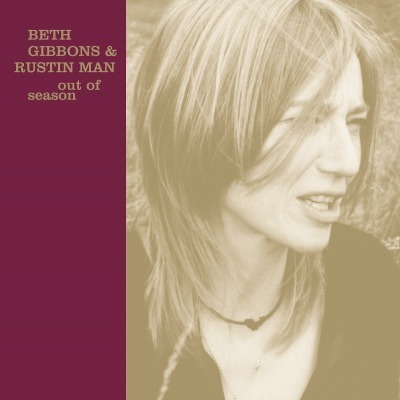
Beth Gibbons' live rendition of "Candy Says" is a masterclass in conveying vulnerability. The song, originally by The Velvet Underground, finds new emotional depth in Gibbons' interpretation. It's a stark portrayal of Candy's internal conflict, a battleground where self-loathing clashes with a yearning for understanding and escape. The opening lines, "Candy says / I've come to hate my body / And all that it requires in this world," immediately establish a sense of profound discomfort and alienation. This isn't mere dissatisfaction; it's a deep-seated rejection of the physical self and its inherent needs. Gibbons' voice cracks with fragility, amplifying the feeling of Candy's desperate plea. The lyrical content speaks to a transgender experience, yet the themes of dysphoria and the search for identity resonate universally.
The recurring motif of the bluebirds offers a glimmer of hope, but one tinged with melancholy. "I'm gonna watch the blue birds fly / Over my shoulder / I'm gonna watch them pass me by / Maybe when I'm older." The birds represent freedom and a future where Candy might find peace, but they remain just out of reach. The repetition underscores a sense of longing and the slow, agonizing passage of time. The question, "What do you think I'd see / If I could walk away from me," is the crux of the song meaning. It's a desperate desire for self-perception, to understand how she is viewed by the world, and perhaps more importantly, to escape the confines of her own mind.
The song's power also lies in its exploration of internal anxieties. "Candy says / I hate the quiet places / That cause the smallest taste of what will be." The quiet moments, the pauses for reflection, become torturous reminders of Candy's inner turmoil. Similarly, "I hate the big decisions / That cause endless revisions in my mind," highlights the paralysis that can come with significant life choices, especially when grappling with identity. Beth Gibbons doesn't just sing "Candy Says"; she inhabits it, giving voice to the quiet desperation and fragile hope that lie at the heart of the song's enduring appeal. It is an intimate portrait painted with raw honesty, a testament to the power of music to connect us to the most vulnerable aspects of the human experience.
 View Artist