Song Meaning
The lyrics paint a vivid picture of internal duality, presenting a speaker who is constantly shifting between extremes. One moment, they are a powerful force, a "tormenta de verano" (summer storm), and the next, they are vulnerable, placing their entire world in someone else's hands. This oscillation extends to their emotional state, swinging from forgetting problems with a smile to a deep-seated desire to "jugar" (play), suggesting a yearning for carefree moments amidst life's complexities. The recurring phrase "A veces" (Sometimes) acts as a constant reminder of this fluid, unpredictable nature.
The central tension lies in the struggle between self-expression and self-protection, as well as the conflicting desires for connection and independence. The speaker admits to having "tantas cosas que me importan" (so many things that matter to me) alongside those they "olvidé a toda costa" (forgot at all costs), hinting at a selective memory or a conscious effort to shed certain burdens. This internal conflict is amplified by the acknowledgment of "muchas verdades que aun me cuesta mencionar" (many truths that are still hard for me to mention), revealing a deep-seated reticence despite the outward shifts.
The imagery of the "noria" (Ferris wheel) is particularly striking, transforming the speaker's world into a cyclical experience where "cada segundo es una historia" (every second is a story). This metaphor captures the dizzying, repetitive yet ever-changing nature of their internal landscape. It fuels a defiant declaration: "Qué me importara ya el qué dirán" (Why should I care what they say?), followed by a powerful assertion of self: "No saben como soy / Yo soy como soy…" (They don't know how I am / I am how I am…), suggesting a hard-won acceptance of their multifaceted identity.
Ultimately, the effectiveness of these lyrics stems from their raw honesty about internal contradiction. The speaker oscillates between wanting to be "un vagabundo" (a vagabond) and needing "que me quiera todo el mundo" (everyone to love me), or between "desnudo sin temor al amor" (naked without fear of love) and hiding behind an "armadura de hierro" (iron armor). This unflinching portrayal of conflicting desires and defenses makes the speaker's emotional state feel intensely real, resonating with anyone who has grappled with the complexities of their own inner world.
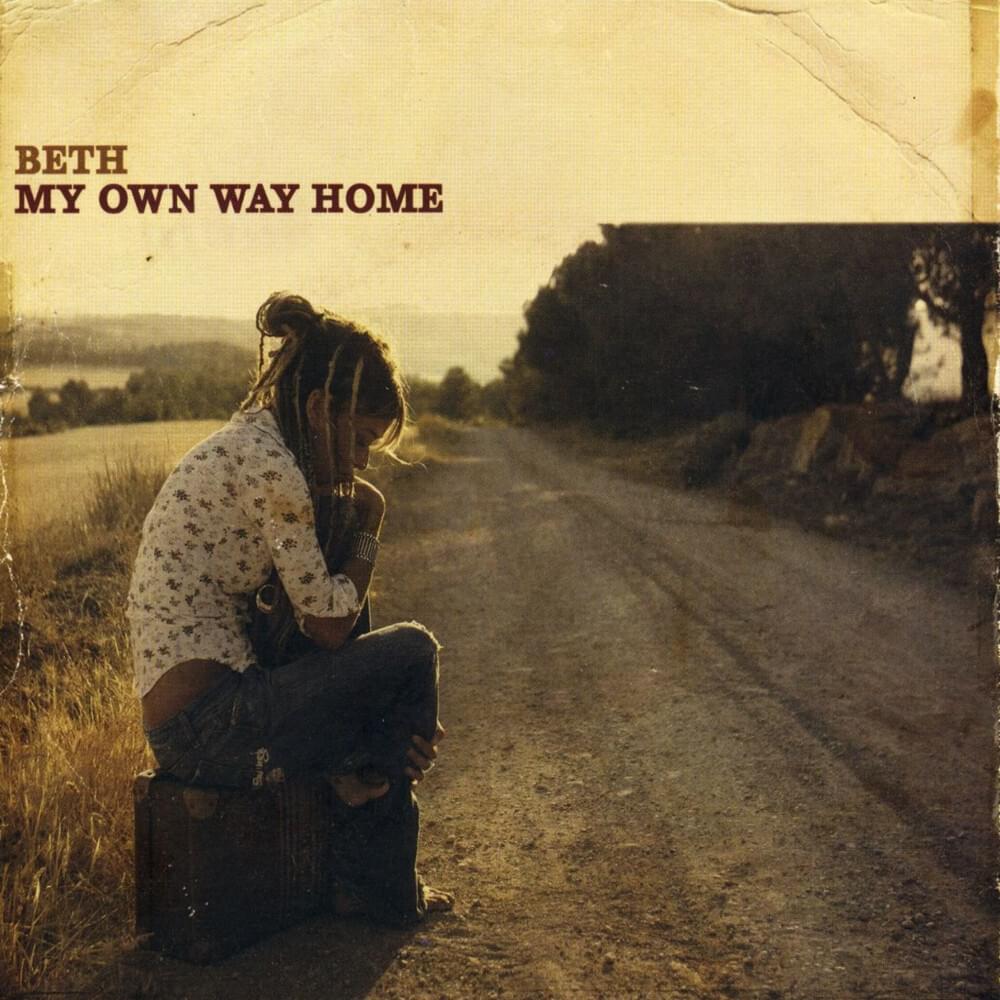
 View Artist