Song Meaning
This song paints a stark picture of a love that's ending not with a bang, but a whimper. The narrator recalls a vibrant beginning, a São João festival, but the present is devoid of celebration or even a simple memento. The contrast between the lively past and the quiet, unadorned present highlights the profound sense of loss. It's a love that dies "sem foguete, sem retrato e sem bilhete," stripped of all ceremony and tangible proof.
The central tension lies in the narrator's internal struggle and the desperate plea for a final, fabricated narrative. Close to the object of affection, the narrator is silenced by fear, unable to express the pain directly, confessing "Perto de você me calo." This inability to speak the truth fuels the request for a specific, deceptive final act: to tell others they are adored and that the separation is mourned, even as the narrator claims to never want the kiss again.
The most striking craft element is the sharp dichotomy in how the narrator wants to be remembered by different groups. To friends, the story is one of deep affection and regret, a performance of sorrow. However, to those the narrator dislikes, the narrative flips entirely, painting a picture of personal ruin and worthlessness, stating "Diga sempre que eu não presto." This calculated manipulation of perception reveals a complex emotional state, perhaps a desire to control the narrative or protect the other person from further pain by taking all the blame.
Ultimately, the lyrics resonate because they capture the painful, often contradictory, ways we try to manage the end of significant relationships. The narrator’s final wish isn't for reconciliation or even honest closure, but for a carefully constructed farewell that preserves a certain image, even if it’s a lie. It’s a poignant exploration of pride, pain, and the desperate need to control how one is perceived, even in defeat.
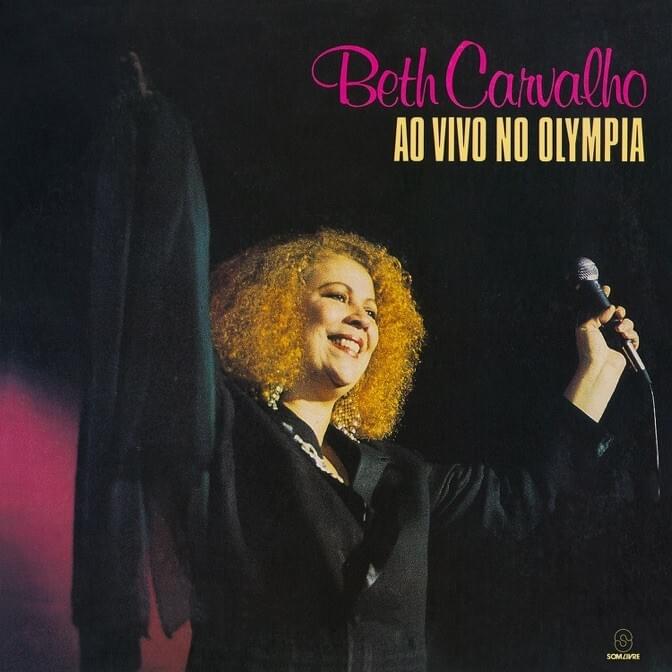
 View Artist