Song Meaning
These lyrics open with a stark, painful image: a "negro na senzala cruciante" (Black person in agonizing slave quarters) gazing at the sky, pleading for nothing but "liberdade" (freedom). It's a powerful, immediate snapshot of profound suffering and singular hope. The scene quickly shifts, however, to a place of profound joy and liberation.
The central emotional tension here is the dramatic pivot from the crushing weight of enslavement to the unbridled euphoria of freedom. The lyrics describe a region called "preto forro"—literally, "freed Black person"—a place where "todo negro dono de sua liberdade" (every Black person owner of their freedom) gathers. This isn't just an escape; it's an assertion of self-possession and collective happiness, culminating in a vibrant "festança" (big party) that pulses with life and cultural pride.
The craft truly shines in how it details this celebration, making freedom feel tangible and deeply rooted. Specific instruments like "pandeiros, tamborins" paint a vivid sonic picture, while the repeated chant "Saravá meu povo / E salve todos os orixás" grounds the festivity in spiritual reverence and community. The inclusion of capoeira, with its defiant refrain "você me chamou de moleque / ... moleque é tu," adds a layer of playful resistance, suggesting that even in joy, there's a memory of past struggles and an assertion of dignity.
What makes these lyrics so effective is their ability to transport the listener from a scene of agonizing longing to one of ecstatic, communal liberation. By contrasting the individual's plea for freedom with the collective's vibrant celebration, the text underscores the profound significance of that hard-won liberty. It's a powerful testament to resilience, cultural heritage, and the enduring human spirit that finds joy and community even after immense suffering.
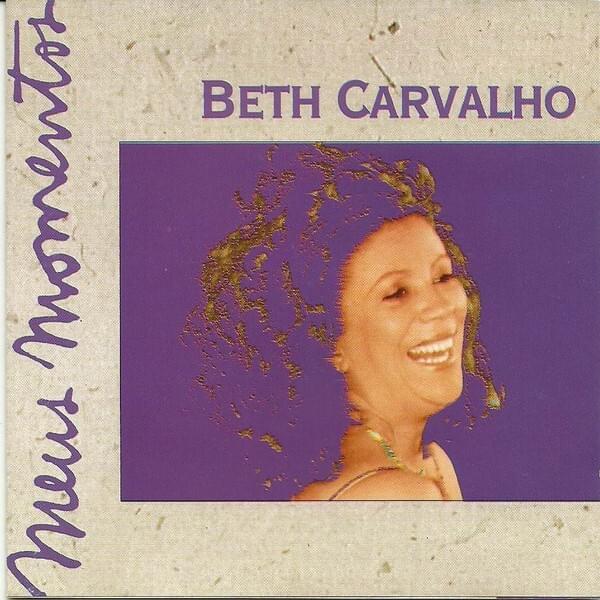
 View Artist