Song Meaning
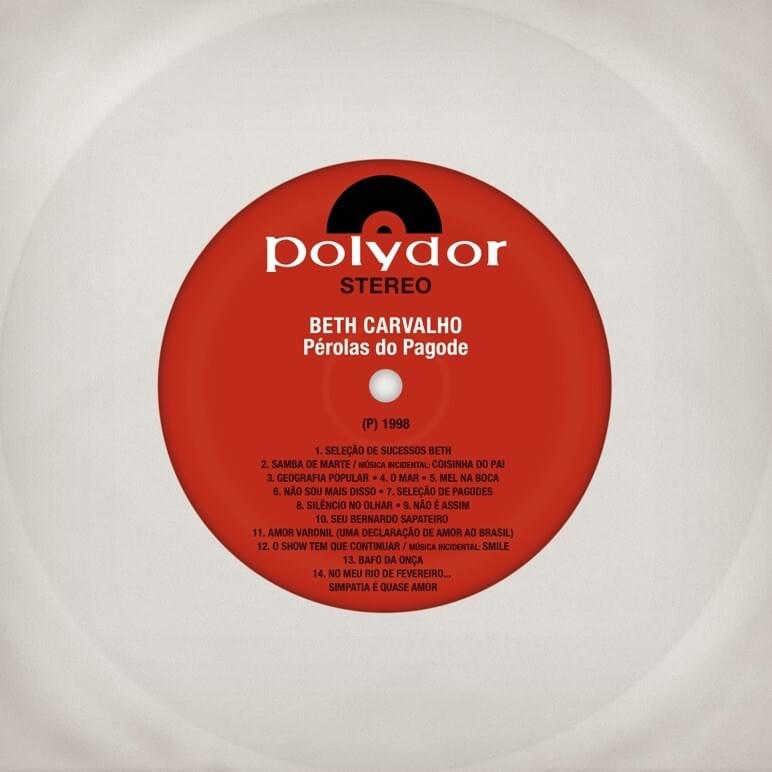
This track paints a picture of profound personal transformation, framed by a touch of playful bewilderment. The narrator grapples with the sudden, almost magical shift in his life, wondering if some external force, like a "feitiço" or "macumba," is responsible. Regardless of the cause, the effect is undeniable: he's found contentment and a drastically improved existence with someone special. The lyrics highlight a stark contrast between his past self and his present reality, suggesting a complete overhaul of his habits and outlook.
The core tension lies in the narrator's newfound sense of responsibility and self-worth, directly challenging a previous identity. He explicitly states he's no longer a "pé-de-cana" (a drunkard) or a "vagabundo" (a vagabond), indicating a conscious departure from destructive behaviors. This transformation is linked to an increased faith and a desire to be a better person, not just for himself but also in the eyes of others, as he notes he's now "benquisto por todo mundo" (well-liked by everyone).
The most striking aspect is the detailed depiction of his reformed daily routine, emphasizing discipline and dedication. He wakes early for work "sem reclamar" (without complaining) and returns home with purpose, limiting his evening indulgence to a single drink. This structured life, a far cry from his past, is presented as a direct consequence of his commitment, particularly his loyalty: "Não traio e nem troco a minha patroa" (I don't cheat or trade my lady). This final line solidifies the source of his change, anchoring the external wonder in a very real, committed relationship.
Ultimately, the lyrics resonate because they capture the exhilarating, almost unbelievable feeling of overcoming deeply ingrained habits. The narrator's earnestness, combined with the hint of supernatural influence, makes his redemption feel both personal and universally aspirational. It’s the raw, honest confession of a man who has genuinely turned his life around, proving to himself and others that he's "não sou mais disso" – he's no longer that person.
 View Artist