Song Meaning
The lyrics paint a stark picture of economic hardship, opening with the biting idiom "E o povo como está? / Está com a corda no pescoço" – the people are in a tight spot. This sets a tone of struggle, contrasting the common saying "Deixa a carne e rói o osso" (leaving the meat and gnawing the bone) with a cynical observation that the people's lives are supposedly a "colosso" (a triumph). The narrator, however, claims to consume "até o caroço" (even the pit) of the fruit they like, suggesting a willingness to go to extreme lengths for what they desire, perhaps as a coping mechanism or a defiant act.
The central tension lies in the disconnect between perceived prosperity and lived reality. Phrases like "Jogo de cartas marcadas os nossos problemas não tem solução" and "Tanta fartura na mesa se vê na novela da televisão" highlight a feeling of being trapped in a rigged system, where abundance is only visible on screens. The "grande virada" (big turnaround) is dismissed as a mere "esboço" (sketch), underscoring a deep-seated skepticism about promises of improvement. The narrator's own struggles are evident: "Vivo levando rasteira, levando canseira, com o pires na mão" (I keep getting tripped up, getting tired, with my plate in hand), placing them "quase no fundo do poço" (almost at the bottom of the well).
The recurring motif "Mas da fruta que eles gostam / Eu como até o caroço" acts as a defiant refrain. It’s a declaration of intent, a commitment to enjoying life's pleasures despite overwhelming difficulties. This phrase, repeated after descriptions of hardship and broken promises, suggests a personal philosophy of seizing what one can, even if it means consuming every last bit. The contrast between the narrator's personal indulgence and the collective "pobre do povo / É que leva no dorso" (poor people are the ones who carry it on their backs) creates a complex emotional landscape, hinting at both personal resilience and a broader societal burden.
Ultimately, the effectiveness of these lyrics stems from their raw, unvarnished portrayal of struggle and a defiant spirit. The use of popular sayings and vivid imagery like the "corda no pescoço" grounds the abstract concept of hardship in relatable terms. The repeated refrain, rather than offering simple comfort, becomes an anthem of survival, a declaration that even in dire circumstances, one can still find a way to savor life, "até o caroço."
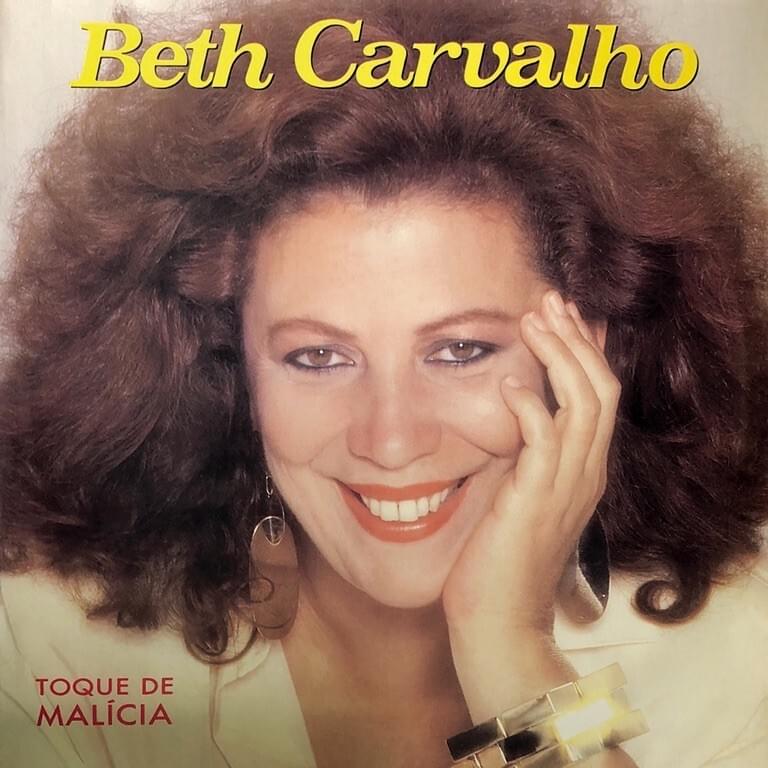
 View Artist