Song Meaning
The lyrics paint a stark, almost elemental picture of a being named Atlas, born from the sea and destined to drive others to madness. There's a profound sense of thirst and a "sad taste of yesterday's breezes" that leave one "dead of thirst," suggesting a deep, unquenchable longing or a past that offers no sustenance. This initial imagery establishes a tone of desolation and existential struggle.
The core tension seems to revolve around a call to return, to "believe again," and to find inner strength. The repeated "Volver" (to return) and "Vuelve a creer" (believe again) act as a desperate plea or an urgent command, urging Atlas to overcome the overwhelming "pain you think you have." The lyrics suggest a battle against fear, a fear that paradoxically doesn't need to be feared, implying that the internal struggle is the true obstacle.
The most striking aspect is the juxtaposition of immense burden and the imperative to live fully. Atlas carries "more pain than you think you have," yet the repeated "Vivelo" (live it) and "En pie" (standing/on your feet) insist on experiencing life despite this weight. The phrase "Ya esta cerca" (It's already close) hints at an approaching resolution or a crucial moment, perhaps the very act of embracing the pain and continuing to stand.
This lyrical construction is effective because it uses powerful, almost mythic imagery to articulate a very human experience of carrying unseen burdens. The insistent, almost chant-like repetition of "Atlas" and the commands to "live it" create a sense of both struggle and resilience. It’s this raw, direct address, coupled with the evocative, sparse language, that makes the emotional core of the lyrics resonate so deeply.
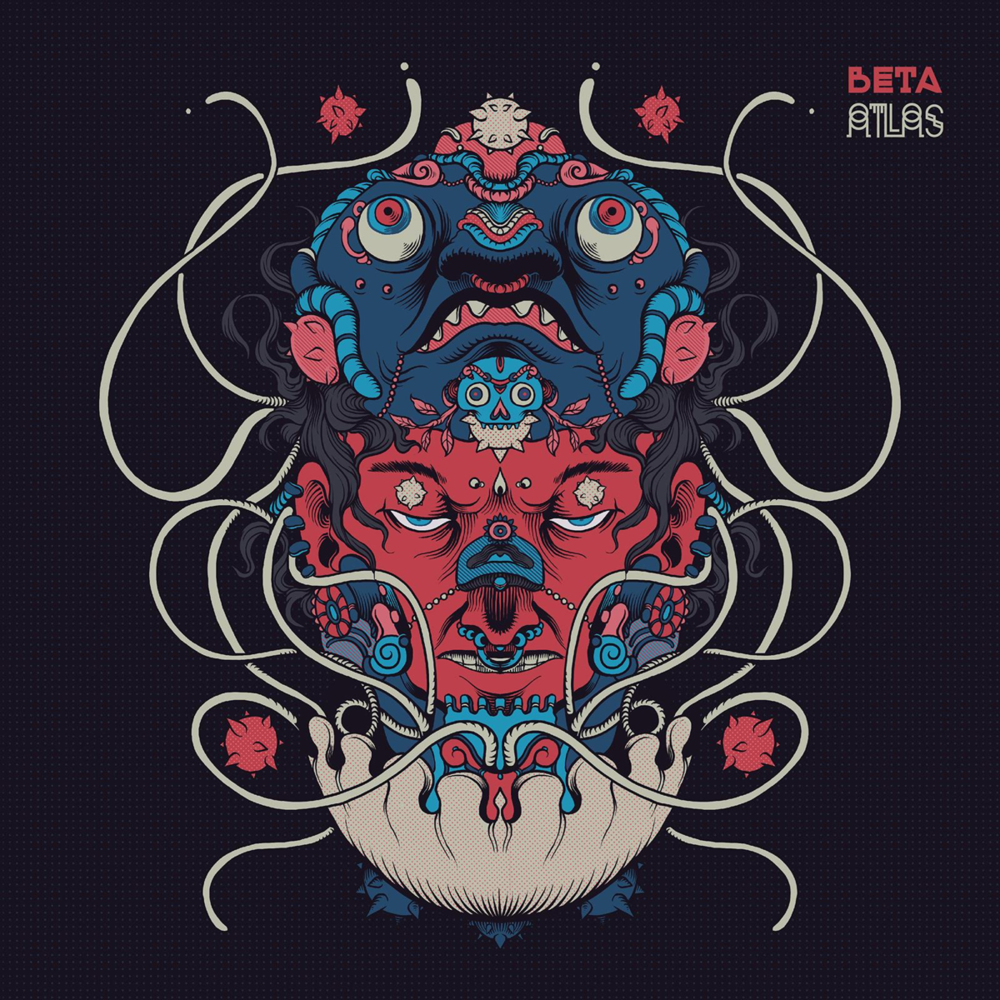
 View Artist