Song Meaning
The lyrics paint a disquieting picture of Bobbie, who is repeatedly depicted running "naked through the woods." This image, coupled with the veiled threats about her mother's health or death, suggests a desperate or manipulated situation. The narrator seems to be exerting control, using Bobbie's vulnerability and the fear for her mother to enforce a demand: "You know you're here just to adore me." This creates an immediate tension between Bobbie's apparent distress and the narrator's self-centered expectation.
The core conflict lies in the narrator's absolute demand for adoration, contrasted with Bobbie's chaotic and possibly coerced actions. The repetition of "Bobbie's running naked through the woods again" underscores a recurring, unsettling pattern. The narrator frames this as a consequence of something said or a threat, implying Bobbie's actions are not entirely her own choice, but rather a response to external pressure or manipulation designed to keep her compliant and focused on the narrator's needs.
A striking element is the shift in perspective and the stark pronouncements in the latter half. The narrator declares, "You were here before me / Your job to adore me / I'm here for a reason / You're just for the season." This reveals a transactional and dismissive view of the other person, reducing them to a temporary fixture whose sole purpose is to worship the narrator. The narrator's preparedness to "bring my needle just in case" adds a sinister, potentially harmful undertone, suggesting a willingness to enforce compliance through drastic means.
This lyrical construction is effective because it juxtaposes raw, almost primal imagery (running naked, barefoot over firewood) with a chillingly narcissistic demand for worship. The ambiguity surrounding Bobbie's actions and motivations, combined with the narrator's cold pronouncements and veiled threats, creates a potent sense of unease and psychological manipulation. The listener is left to grapple with the power dynamics and the narrator's profound self-absorption, making the demand for adoration feel less like a request and more like a declaration of dominance.
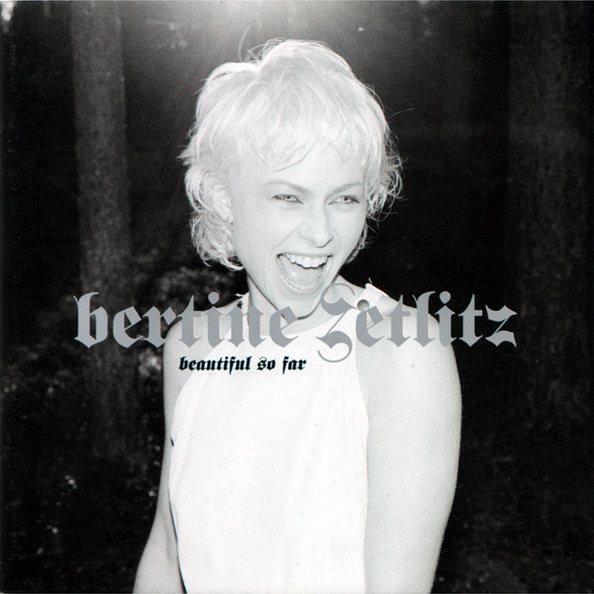
 View Artist