Song Meaning
The lyrics paint a picture of a city, Tel Aviv, perpetually stuck in a summer state, devoid of the transitional seasons of spring and autumn. This creates a sense of unchanging, perhaps stagnant, existence. The narrator declares they won't return, framing it as both an end and a beginning, suggesting a definitive break from a past relationship or situation.
The core tension lies in the cyclical nature of conflict and return, contrasted with the narrator's stated desire for finality. The phrase "only war if you come will bring us home" is particularly striking, implying that only a destructive force, a "war," could possibly reunite them, likening it to a lover returning to a beloved or a post-war homecoming. This suggests a relationship so fractured that only extreme circumstances could mend it, or perhaps that the "war" is a metaphor for intense emotional upheaval.
The repeated sequence of "And now to eat, to drink of the wine / Afterwards to dance and we will go up to my home / And now to scream and afterwards to fall / To fall in silence, to fall in your arms" highlights a pattern of seeking immediate pleasure and release, followed by an inevitable descent. This cycle of indulgence, brief joy, and then a quiet surrender, possibly back into the arms of the person they claim to be leaving, underscores a deep emotional dependency or a struggle to escape a familiar, perhaps destructive, pattern.
What makes these lyrics resonate is the stark imagery of a city without seasons mirroring an emotional landscape stuck in a perpetual state of intense heat or perhaps a void. The juxtaposition of the desire for a definitive end with the cyclical nature of seeking solace in destructive or overwhelming experiences creates a powerful sense of unresolved conflict and a melancholic surrender to fate, or to a deeply ingrained pattern of relating.
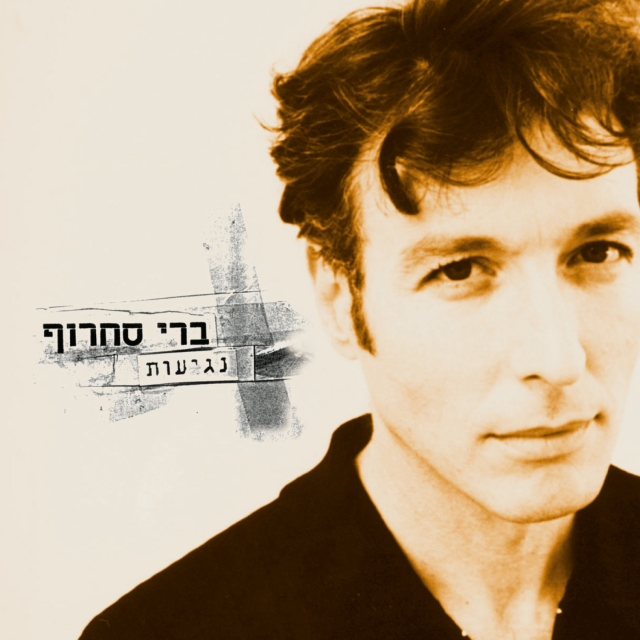
 View Artist