Song Meaning
The lyrics paint a picture of a guarded garden, a walled-off space where a prince resides in a state of arrested development. He observes a new morning, but the scene feels stagnant, with branches clinging to concrete and time frozen like a stranded ship. The prince repeatedly questions his own contentment, asking "טוב לי עכשיו, טוב לי עכשיו?" (Am I good now, am I good now?), hinting at an underlying unease beneath the surface of his supposed peace.
The central tension arises from the contrast between the prince's internal questioning and the external world, represented by the distant city beyond the wall. This city is described as having a "מאוד מהיר" (very fast) rhythm where "לכל מעשה יש מחיר" (every action has a price). The prince, however, seems to have opted out of this transactional reality, choosing a life where consequences are seemingly suspended, yet this choice is tinged with a "חיוך מריר" (bitter smile).
The recurring refrain, "טוידלדי טוידלדם / השומר של הגן שכב ונרדם" (Twiddledy Twiddledum / The guard of the garden lay down and slept), is particularly striking. It suggests a deliberate neglect of duty or awareness, allowing the prince's internal state to go unchecked. This slumbering guard, coupled with the repeated question "מי ידע לב אדם" (Who knows the heart of man), amplifies the sense of isolation and the mystery surrounding the prince's true feelings and motivations.
The lyrics effectively convey a sense of melancholic detachment and self-imposed isolation. The prince's physical state – red and pale knuckles – and his assertion "אני לא מצטער, טוב לי עכשיו" (I am not sorry, I am good now) feel like a desperate attempt to convince himself. The final image of a "ש ל ו ל י ת ד ם" (puddle of blood) around the prince, juxtaposed with his claims of well-being, creates a chilling and ambiguous conclusion, suggesting that his preserved state may have come at a terrible, unspoken cost.
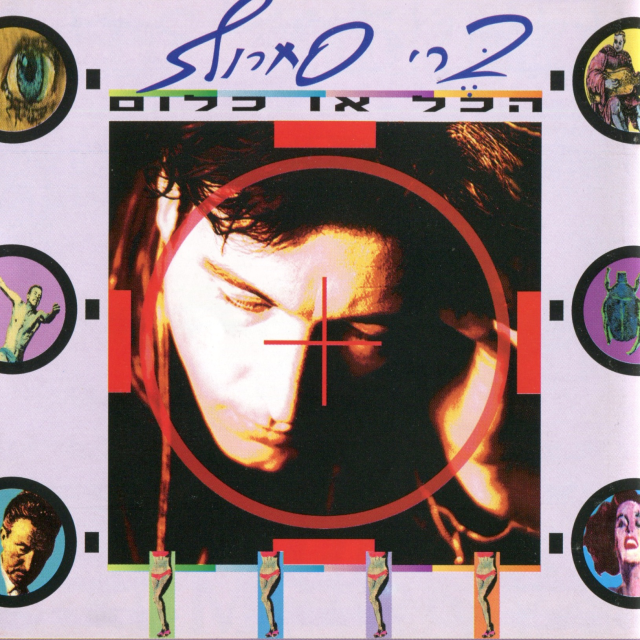
 View Artist