Song Meaning
These lyrics plunge us into a world of conscious transgression, where the speaker embraces forbidden acts with a striking blend of self-awareness and defiance. They immediately identify as a "criminal" (פושע), actively touching what's "forbidden" (אסור) and opening what's "locked" (נעול). This isn't accidental; it's a deliberate, almost ritualistic breaking of boundaries.
The central tension here lies in the speaker's paradoxical experience: they acknowledge the potential for harm, stating "I know it hurts" (זה פוגע), yet find the entire process "quite amusing" (די משעשע). This isn't a mindless rebellion but a calculated choice, where the thrill of the forbidden outweighs any negative consequence. The lyrics suggest a dismissal of external memory or judgment, as the speaker notes, "You remember, I forget" (אתם זוכרים אני שוכח).
The craft truly shines in the vivid sensory details and the desire for transcendence. The physical sensations are palpable: a "pleasant" (נעים) feeling on the scalp and "shivers" (צמרמורת) washing over them. This visceral experience culminates in a yearning to "close my eyes and fly" (לעצום עיניים ולעוף), to "travel outside the body" (לטייל מחוץ לגוף), hinting at an altered state of consciousness or a profound escape from reality. The repeated, emphatic cry, "Don't tell me no!" (אל תגידו לי לא), acts as a powerful, insistent rejection of any attempt to curb this intoxicating pursuit.
Ultimately, these lyrics are effective because they tap into a primal human desire for freedom and intense sensation, even when it means flouting norms. The speaker's unapologetic embrace of their own transgressive pleasure, coupled with the vivid descriptions of its physical and mental effects, creates a compelling narrative of self-determined hedonism. It's a raw, unvarnished look at the allure of the forbidden, making the listener feel the pull of that defiant, exhilarating "yes" against a chorus of "no."
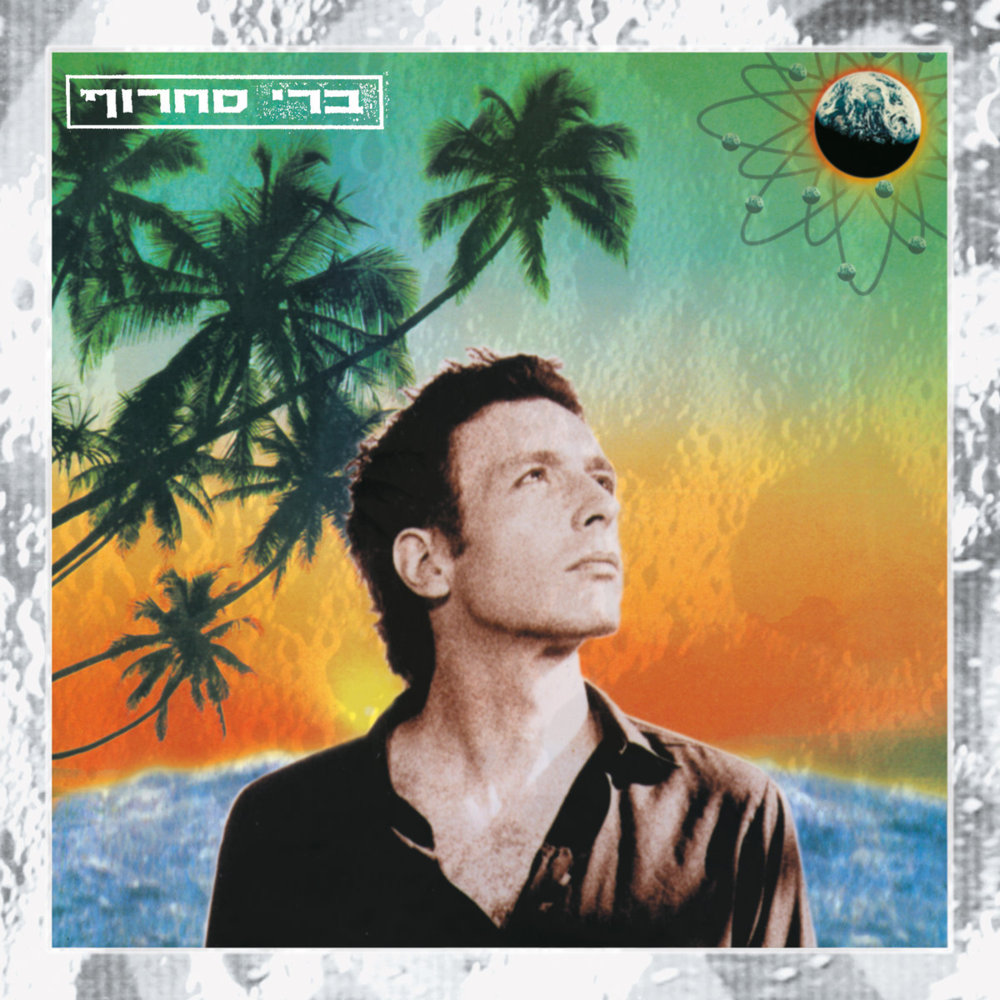
 View Artist