Song Meaning
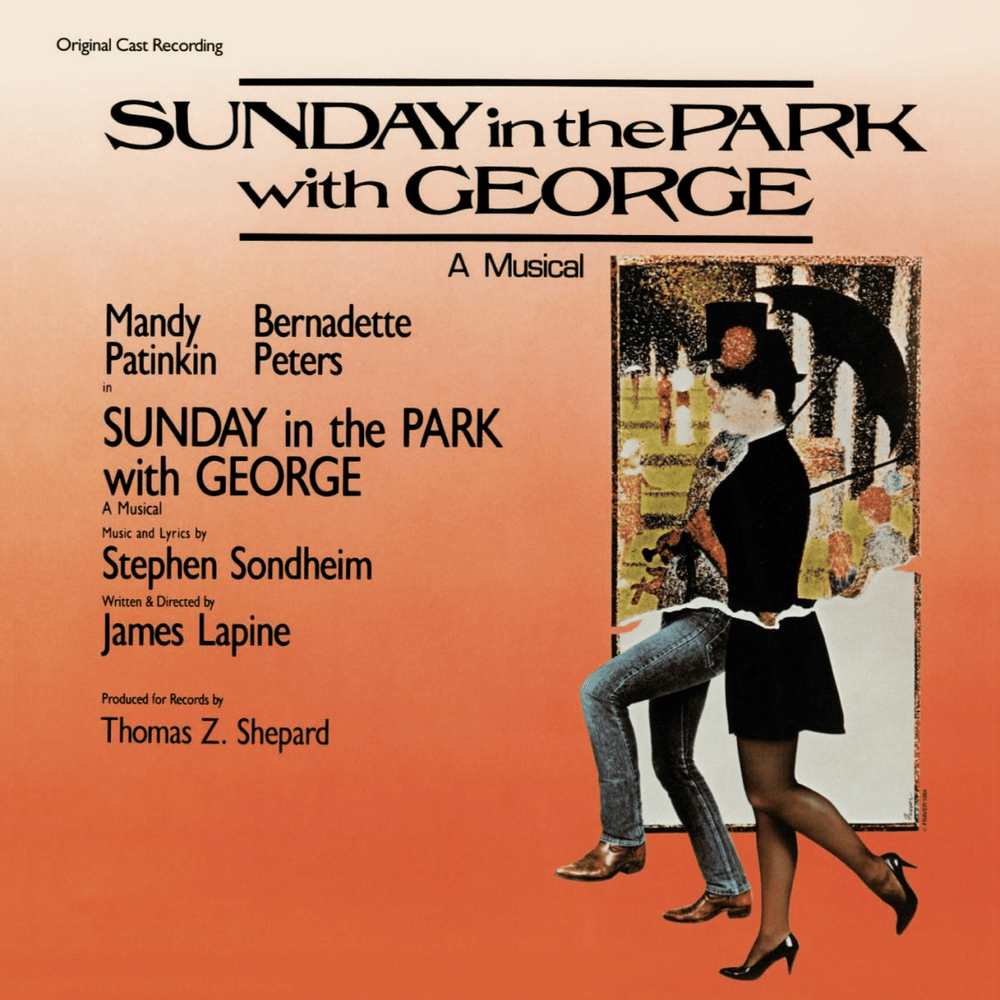
Stephen Sondheim's "Sunday" isn't just a song; it's a thesis statement on art, life, and the painstaking process of creation. The lyrics, seemingly simple at first glance, are a layered exploration of artistic vision, filtering emotion through the rigorous lens of design. The song, originating from *Sunday in the Park with George*, uses Seurat's pointillism as both subject and metaphor. The recurring imagery of color – "blue purple yellow red water" – and geometric shapes highlights the artist's analytical approach, breaking down the world into its constituent parts before reassembling them into a cohesive whole. The ensemble's repetition of "Sunday" transforms from a mere observation of a day into an almost holy incantation, a hymn to the power of observation and artistic rendering.
George's spoken interjections – "Order. Design. Tension. Balance. Harmony." – serve as the artist's mantra, a constant reminder of the principles guiding his work. These aren't just aesthetic choices; they're the building blocks of meaning itself. The "flecks of light and dark" that George identifies are not merely visual elements, but represent the complexities of human experience, the interplay of joy and sorrow that gives life its depth. The song acknowledges the human element within the art, even as it strives for the ideal. The "people strolling through the trees" are both subjects and observers, caught in the act of living, becoming part of the art they inhabit.
Ultimately, "Sunday" transcends its setting. Sondheim uses the specific scenario of Seurat's painting to discuss broader themes of legacy, artistic purpose, and the struggle to find meaning in a world that often feels chaotic. It's a song about the artist's need to impose order, to find harmony, and to create something lasting from the fleeting moments of everyday life. The very act of painting, or indeed, of creating any art, becomes a way of making sense of the world, a way of achieving a kind of immortality. The repetition of "forever" underscores this longing, this desire to leave a mark that will outlive the artist themselves. It's a poignant meditation on the intersection of art and life, a testament to the enduring power of creative vision.
 View Artist