Song Meaning
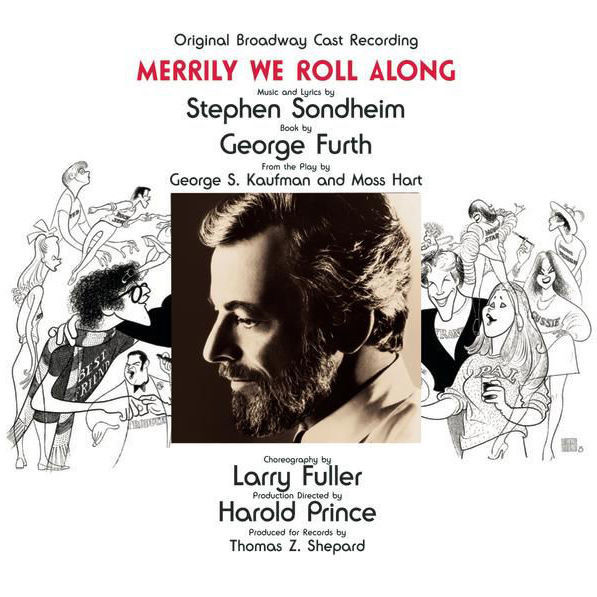
Stephen Sondheim's "Not a Day Goes By" is a masterclass in portraying the haunting persistence of lost love. It's not a sentimental ballad, but a raw, almost desperate articulation of how a person can remain tethered to a relationship long after its expiration date. The song meaning resides in the obsessive cycle of grief and memory, where the past isn't a collection of fond recollections, but a relentless, inescapable presence. The lyrics paint a portrait of someone caught in a loop, perpetually reliving the pain, as each day becomes another reminder of what's been lost.
The opening lines, “Not a day goes by / Not a single day / But you're somewhere a part of my life,” immediately establish the song’s central theme: the inescapable nature of memory and the enduring impact of a significant relationship. It's not just about missing someone; it's about their continued, almost parasitic, presence in the speaker's psyche. The repeated phrase underscores the unrelenting nature of this emotional burden. The litany of actions – “Thinking and sweating / And cursing and crying / And turning and reaching / And waking and dying” – reveals the exhausting toll this emotional entanglement takes on the speaker. It's a cycle of agony, a constant state of emotional turmoil that permeates every aspect of their existence.
The final verses, with their repeated declarations of “hell to pay” and the agonizing repetition of “day after day,” escalate the feeling of entrapment. The 'hell to pay' isn't some external punishment; it's the internal torment of being unable to move on. The incremental addition of “Till the days go by!” at the end functions as both a lament and a desperate plea. It acknowledges the passage of time, but also highlights the speaker's fear that this cycle will never end. The song’s brilliance lies in its unflinching portrayal of the darker side of love and loss, where memories become a form of self-inflicted torture, and the past refuses to release its grip.
 View Artist