Song Meaning
Benji Hughes, ever the sly craftsman of pop melancholia, distills heartbreak to its most brutal essence in "Love Is a Razor." The song isn't a tender ballad of lost romance; it's a stark warning delivered with Hughes' signature wry detachment. The central metaphor – love as a razor – is simple yet devastatingly effective. It immediately conjures a sense of danger and pain, a cold, sharp edge poised to inflict wounds. The lyrics aren't interested in the sweet beginnings or the gentle fade of a relationship. Instead, Hughes focuses on the aftermath, the raw, exposed nerve endings that remain when love turns destructive. The razor doesn't just wound; it "cuts out your heart," a visceral image of emotional evisceration.
The song's power lies in its unflinching honesty. Hughes acknowledges love's allure – "the glow in the dark" – its seductive promise of happiness and success ("selling wine and it's topping the charts"). But he quickly undercuts this façade, confessing, "I don't know where I stop and it starts," suggesting a loss of self within the relationship, a blurring of boundaries that leaves him vulnerable to the razor's edge. The repetition of "Love is a razor" reinforces the inescapable nature of this pain. It's not a momentary sting; it's a constant, gnawing presence that dominates his experience.
The final verses amplify the sense of helplessness. Love is "so much stronger than me," Hughes admits, acknowledging the overwhelming power of emotion to dismantle even the most carefully constructed defenses. The image of the "eraser I was saving for your memory" being sliced up is particularly poignant, suggesting the deliberate destruction of cherished moments, the erasure of a past that once held promise. The razor "won't give back any of mine," driving home the idea of a permanent loss, a depletion of emotional resources that can never be fully replenished. "Love Is a Razor" isn't just a song; it's a psychological portrait of love's darker side, a chilling reminder of its capacity to wound and scar.
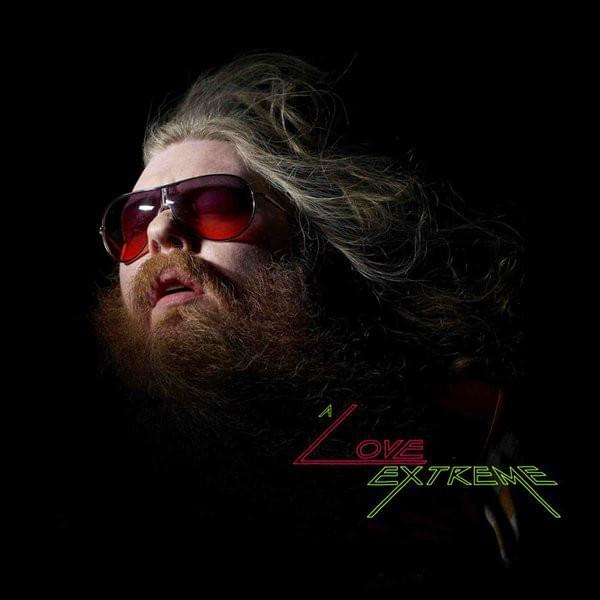
 View Artist