Song Meaning
Benji Hughes's "Jubalee" isn't a straightforward narrative; it's a vignette, a series of snapshots capturing the bittersweet absurdity of everyday existence. The opening verse immediately establishes this juxtaposition: tourists arriving, a florist arranging flowers for both funerals and weddings. Hughes sets the stage for a meditation on life's cyclical nature, its inherent beauty intertwined with unavoidable sorrow. That ubiquitous iced tea, perpetually flowing, becomes a symbol of the South's enduring charm even as the heat intensifies—a subtle nod to the ever-present tension between comfort and discomfort. The 'Jubalee' of it all seems to be finding peace amidst this chaos. The lyrics hint at the relentless churn of existence, but also the quiet joys that make it bearable.
The second verse introduces a circus, a microcosm of human drama. A clown, an archetype of humor and heartbreak, pines for a contortionist. Their secret kiss, witnessed by dogs and elephants, highlights the universality of love and longing, regardless of circumstance. This scene, with its blend of the fantastical and the mundane, reinforces Hughes's exploration of how extraordinary moments can be found within the ordinary. The image of the clown's painted face and unconventional attire also speaks to themes of authenticity and acceptance. Are we all just clowns, performing for an audience, seeking connection in a world that often feels absurd?
Ultimately, the song's meaning rests in its cyclical refrain: 'Another year…As I sit here beside my window, I'm not alone / And there's Jubalee.' This repetition emphasizes the passage of time and the comfort found in simple observation. The window becomes a frame through which the speaker views the world, finding solace in the continuity of life. 'Jubalee' itself remains ambiguous, perhaps a state of mind, a feeling of contentment, or even a personification of the beauty and strangeness of existence. Hughes offers no easy answers, instead inviting listeners to find their own 'Jubalee' amidst the everyday circus.
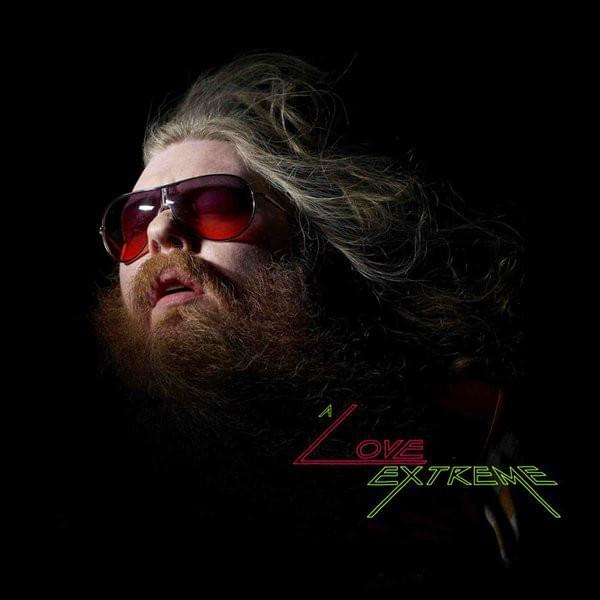
 View Artist