Song Meaning
The lyrics open with a direct, almost accusatory question: "Pourquoi tu pleures?" (Why are you crying?). This immediately sets a tone of exasperation and perhaps a touch of disdain. The narrator probes for the cause of the tears, cycling through possibilities: a lost love, a "vertu perdue" (lost virtue), or even a "jeune fille en fleurs" (a young girl in bloom). Each suggestion is met with the stark, dismissive answer: "Pour rien" (For nothing).
The central tension arises from the narrator's perceived insignificance to the person crying. "Car pour toi je ne suis presque rien" (Because for you I am almost nothing) is repeated, highlighting a profound disconnect. The crying person weeps for reasons the narrator deems trivial or nonexistent, while simultaneously asserting their own lack of importance in the other's life. This creates a painful irony: the narrator is deeply affected by the crying, yet claims to mean nothing to the one who is weeping.
The lyrics then shift, introducing a new layer of accusation. The narrator questions the *reason* for drinking, pointing to "quel noceur" (what reveler), "quel moqueur" (what mocker), or "quel coup tordu" (what twisted blow). This suggests the crying might be linked to self-destructive behavior or external betrayals, further fueling the narrator's frustration. The repetition of "Pour rien" continues, but the subsequent line, "Car sans moi tu n'es presque rien" (Because without me you are almost nothing), introduces a dramatic reversal. The narrator, who claimed to be nothing to the crying person, now asserts the crying person's utter dependence on them.
This final assertion transforms the song's emotional landscape. The initial exasperation hardens into a bitter, almost contemptuous power play. The narrator’s questions about honor, self-respect, and virtue become less about concern and more about shaming. The final, blunt "Tu fais chier à la fin" (You're pissing me off already) caps off the raw, unflinching portrayal of a relationship where love has curdled into mutual resentment and a desperate, perhaps delusional, assertion of control.
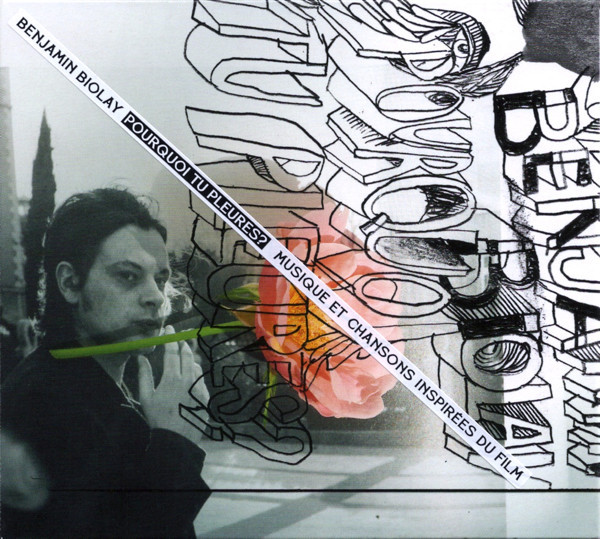
 View Artist