Song Meaning
The lyrics paint a picture of quiet reflection and the passage of time, set against a serene natural backdrop. The narrator observes the slow creep of dawn and the steady expansion of water, establishing a mood of patient waiting and gentle melancholy. There's a palpable sense of looking back while anticipating a future moment of peace and reunion.
The central tension seems to lie in the contrast between past experiences – described as "années noires" (dark years), "années folles" (crazy years), and "heures de gloire" (hours of glory) – and a desired future state of simple, shared happiness. The narrator expresses a longing to return to a specific place by the water, suggesting a desire to recapture or recreate a past idyllic moment.
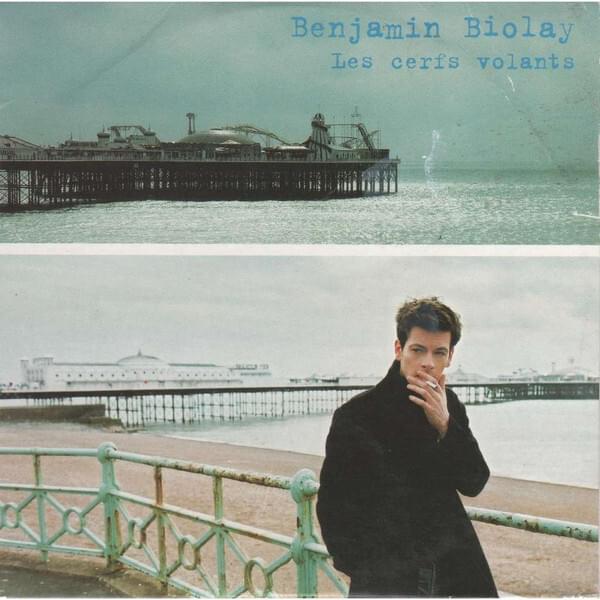
The most striking element is the recurring phrase "Je mesure le temps qui passe" (I measure the time that passes), which is directly echoed by "A mesure que le temps passe" (As time passes). This repetition emphasizes a conscious, almost deliberate, awareness of time's flow, linking the external natural processes to the narrator's internal state. The imagery of kites ("cerfs-volants") and lovers strolling ("amants qui flânent") evokes a timeless, almost nostalgic scene, suggesting a return to simple pleasures.
This writing is effective because it grounds abstract feelings of time and memory in concrete, sensory details. The gentle, unhurried pace of the lyrics mirrors the natural imagery, creating a soothing yet poignant atmosphere. The promise of future simple joys – a boat ride, a picnic, a kiss – feels earned after the acknowledgment of past difficulties, making the anticipated peace feel deeply resonant.
 View Artist