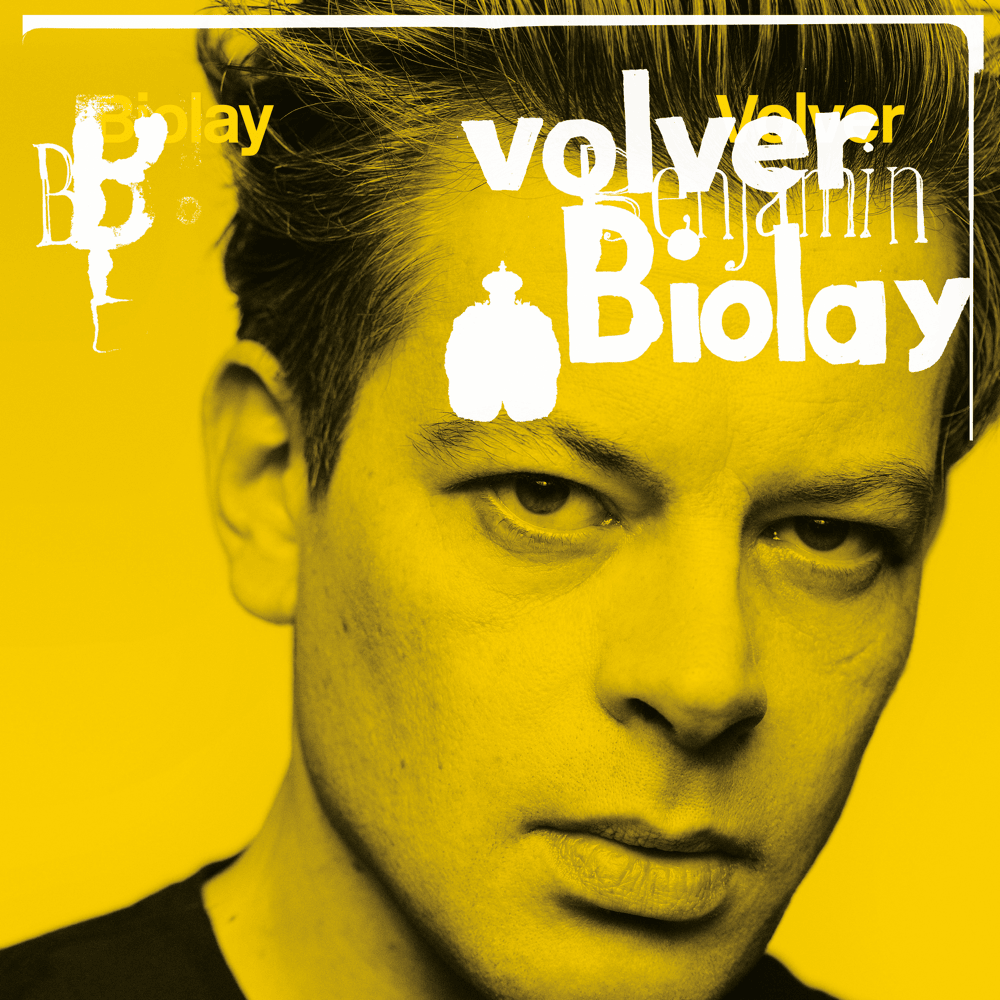
Song Meaning
The lyrics paint a picture of a somber Parisian evening, where the usual joy of social interaction is replaced by a pervasive melancholy. The opening lines, "Un plaisir d'offrir / Une joie de recevoir," set up an expectation of pleasure, but this is immediately undercut by "Voir les autres c'est pire," suggesting a deep-seated dissatisfaction or envy. The narrator observes a world where others seem to possess desired destinies and choices, while their own "Train d'amour en retard" and "Train de vie d'émir" imply a stalled or unfulfilled life.
The central tension arises from this contrast between outward appearances and internal reality, and the isolating effect it has. The phrase "Personne n'est complice / Mais tout le monde est suspect" highlights a breakdown of trust and connection, where shared experience is replaced by suspicion. This feeling culminates in the image of an empty dance floor and a city drowning in "l'alcool triste."
The most striking craft element is the personification of Paris itself, imbued with a "sad alcohol." This isn't just about individual sadness; it's a collective, atmospheric gloom that has settled over the city. The repetition of "L'alcool triste" amplifies this feeling, making it the inescapable emotional core of the scene.
These lyrics resonate because they capture a specific, almost tangible mood of disillusionment. The writing effectively uses contrasting ideas and evocative imagery to create a sense of isolation and quiet despair, transforming a potentially social setting into one of profound, shared melancholy.