Song Meaning
The lyrics paint a picture of life's most idealized moments, presented with a simple, almost childlike wonder. The narrator observes life as a benevolent force, gently guiding them through experiences that are consistently labeled "magnifique." The tone is overwhelmingly positive, focusing on romantic bliss, grand gestures, and idyllic settings. It's a straightforward celebration of love and happiness, unburdened by complexity or doubt.
The central theme revolves around the accumulation of joyful experiences, particularly those associated with romantic love and celebration. From "des jours tout bleus" (days all blue) and "baisers lumineux" (luminous kisses) to the grand pronouncements of "mariage d'amour" (marriage of love) and a "lune miel a cuba" (honeymoon in Cuba), the lyrics string together a series of perfect, almost postcard-worthy scenes. The repetition of "C'est magnifique" acts as a constant affirmation, reinforcing the perceived perfection of each moment.
The most striking aspect of the writing is its unadorned, almost naive directness. There's no subtext or hidden meaning; the joy is stated plainly and repeatedly. The phrase "Oh la la la" punctuates these declarations, adding a touch of Gallic flair and emphasizing the sheer delight and perhaps a touch of disbelief at such consistent good fortune. The structure, with its recurring motifs of giving one's heart, flowers, marriage, and exotic honeymoons, builds a cumulative effect of overwhelming, uncomplicated bliss.
This lyrical approach is effective because it taps into a universal desire for simple, profound happiness. By avoiding any hint of struggle or imperfection, the song creates an escapist fantasy. The repeated, declarative "C'est magnifique" becomes an incantation, a pure expression of delight that resonates through its very simplicity and unwavering positivity, making the idealized vision feel almost tangible.
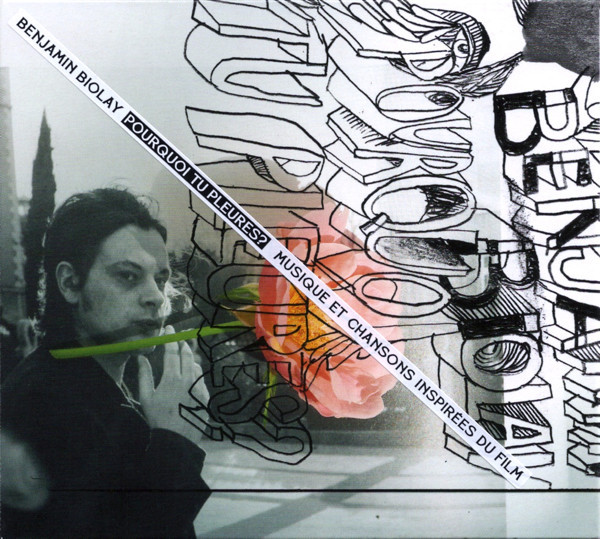
 View Artist