Song Meaning
The narrator pleads for immortality, specifically referencing a 'Seraph' and an "immaculate rot" that seems to be a divine curse. This desire is framed by a paradox: the "somber beginning of birth" is tied to "demonic conception," suggesting that even the start of existence is tainted and inherently sorrowful. The repetition of this plea and its accompanying description hammers home a desperate yearning for an escape from a perceived flawed existence.
The core tension lies in the narrator's rejection of mortality and their simultaneous entanglement with a corrupted form of divinity. They observe "mortal's roam" on a "plain of decay, sorrow and anguish," seeing their cycle as one of "agony" that is perpetually "reborn." This fuels the central desire for "immortal cessation," a state of being that is paradoxically both eternal and ended, a denial of the painful cycle of life and death.
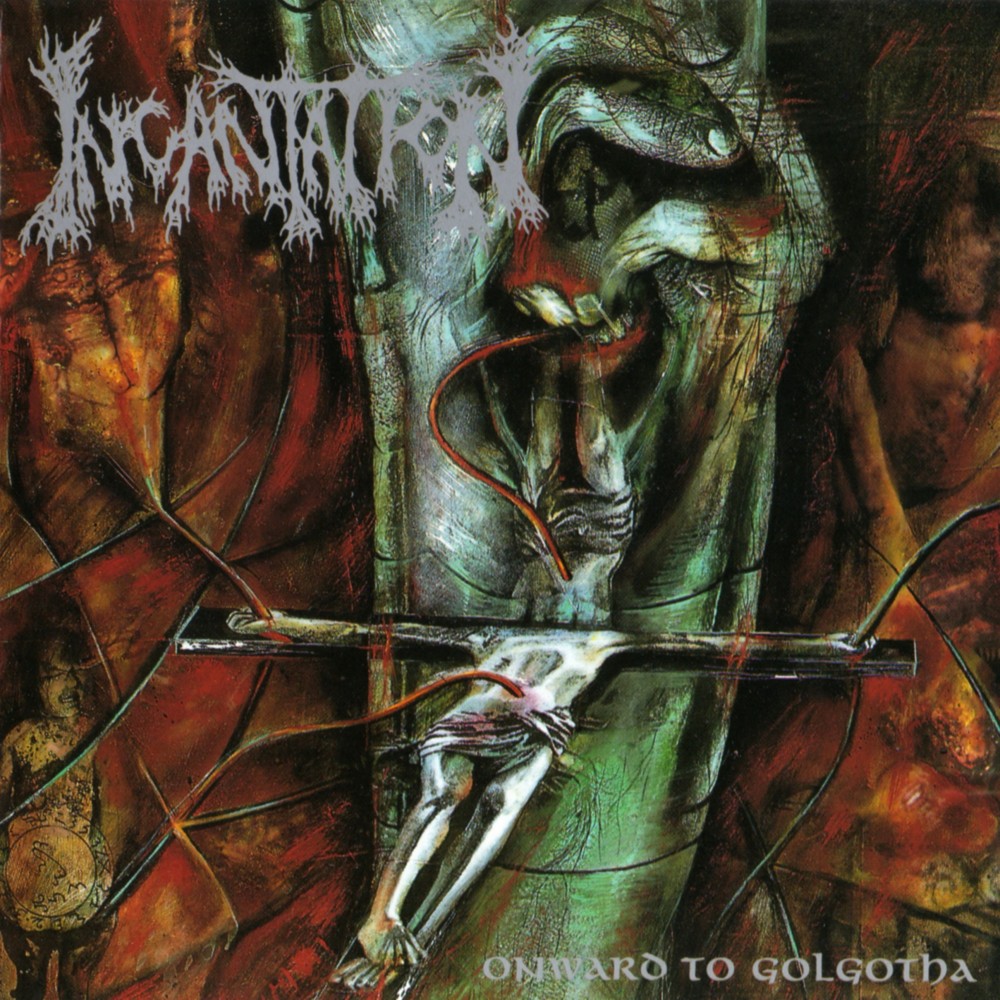
The most striking element is the juxtaposition of religious imagery with profound despair. The plea to a "Seraph" and the mention of "Jesus...was...mortal" are placed against "immaculate rot" and "demonic conception." This suggests a profound disillusionment, where even divine figures are subject to the very mortality the narrator despises, or perhaps that the path to divinity is itself a form of corruption. The phrase "denied ascension" further emphasizes this feeling of being trapped, unable to reach a higher state.
This writing is effective because it taps into a deep-seated fear of suffering and the relentless nature of time. The lyrics create a visceral sense of being trapped in a cycle of pain, using stark, contrasting imagery to articulate a complex spiritual and existential crisis. The final, simple declaration about Jesus's mortality lands with a heavy, almost defeated finality, underscoring the narrator's bleak outlook on existence and divinity alike.
 View Artist