Song Meaning
The lyrics paint a picture of hopeful anticipation for a significant, transformative change, referred to as the "morning glow." This isn't just a gentle dawn; it's a powerful force, a "wind of change" that's "long past due." The narrator expresses a desire for this new era to arrive and illuminate everything, suggesting a collective readiness to witness the "birth of old faith looking new." The repetition of "morning glow" emphasizes its importance and the sustained yearning for its arrival.
The central tension lies in the contrast between a past that feels stagnant or insufficient and the fervent hope for a brighter future. The phrase "long past due" carries a weight of delayed progress or overdue renewal. The lyrics suggest a period of waiting and perhaps even struggle, as indicated by the desire to "make the new day bright" and the fading "phantoms of the night." This implies that the current state is shadowed by something negative that the coming "glow" will dispel.
The most striking aspect of the craft is the personification of the "morning glow" as something that can be helped to "grow" and that possesses a "light" capable of banishing darkness. The collective "we" singing "tomorrow's song" and realizing they can "be so strong" highlights a shared sense of empowerment that accompanies this anticipated dawn. The shift from Pippin's individual plea to the unified voice of "ALL" underscores the communal nature of this hope and the collective strength found in facing the future together.
Ultimately, these lyrics resonate because they tap into a universal human desire for renewal and progress. The specific imagery of light overcoming darkness, coupled with the sense of collective agency and the feeling that a long-awaited positive shift is finally imminent, creates a powerful emotional arc. The "morning glow" becomes a potent metaphor for hope, clarity, and the promise of a better future that is now within reach.
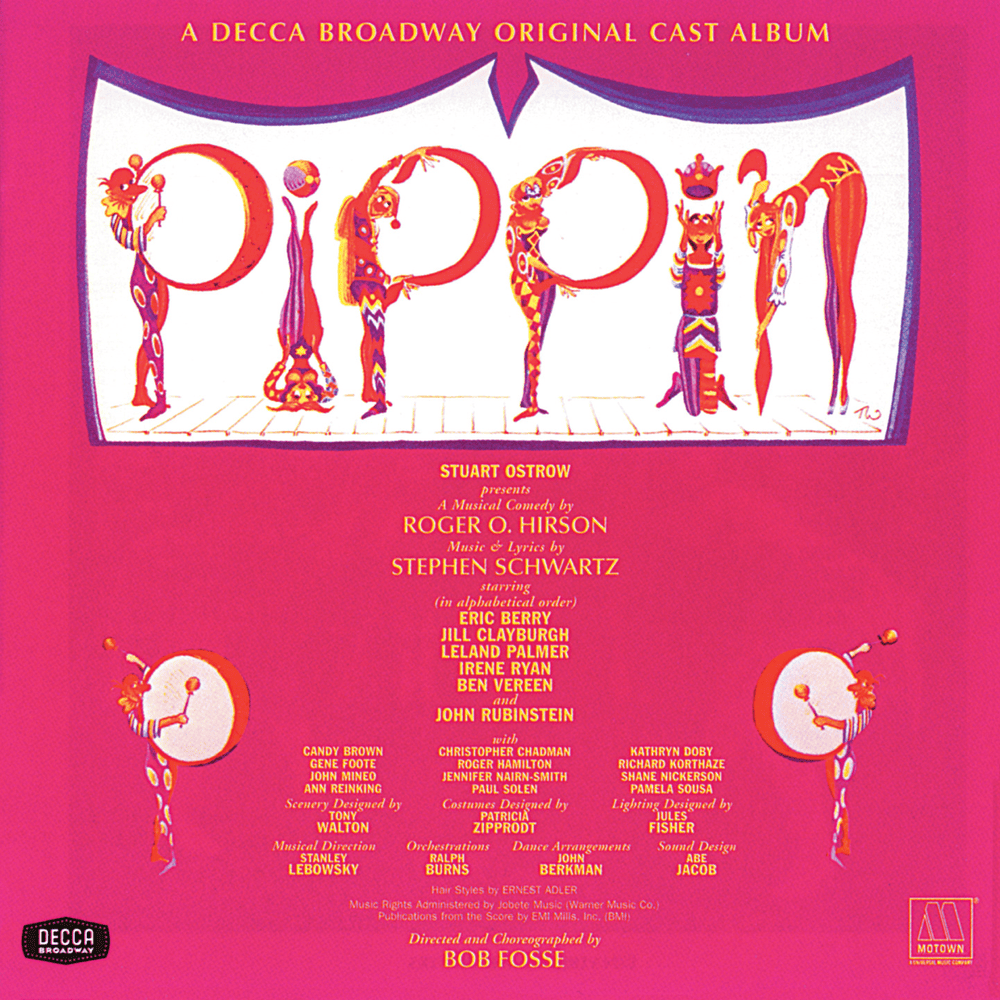
 View Artist