Song Meaning
The narrator stands at a precipice, holding remnants of the past in their hands and feeling a dark, consuming force within. A sense of impending finality is palpable, mirrored by the "setting sun" that obstructs their path. Yet, despite this bleakness, a determined resolve emerges, a conscious choice to move forward into the unknown.
The core tension lies between the overwhelming darkness and a persistent, almost defiant, search for something more. The "black pitch" in the veins and the "dark clouds" suggest an internal and external descent, but the narrator explicitly rejects seeking external salvation. This internal conflict fuels the drive to continue, even without the promise of absolution.
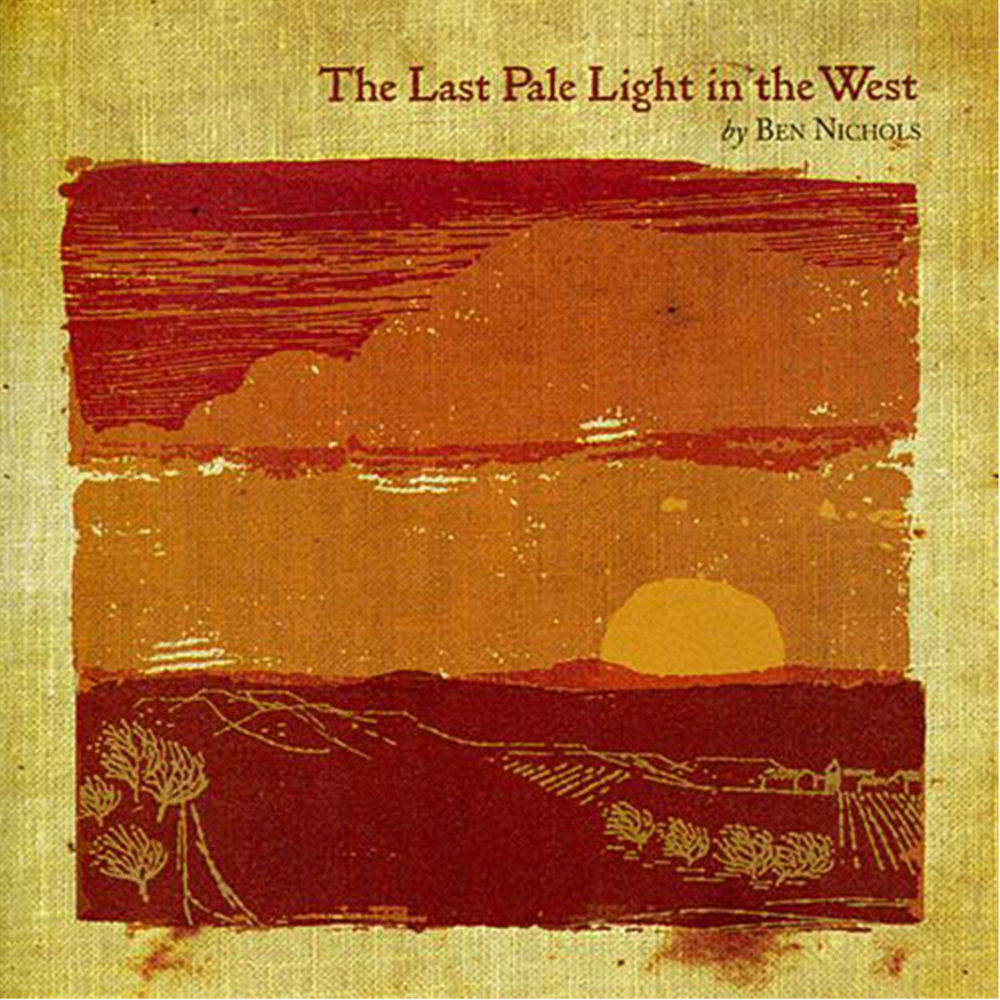
The repeated phrase, "The last pale light in the West," acts as both a destination and a guiding principle. It's a faint, perhaps fading, beacon that the narrator chooses to follow, indicating a hope that persists against all odds. This light isn't a grand illumination but a subtle, almost imperceptible glimmer, suggesting that hope can be found even in the most desolate circumstances.
This lyrical landscape is effective because it grounds existential dread in stark, visceral imagery. The narrator's active choice to pursue the "pale light" despite the surrounding darkness creates a powerful sense of agency. It's this deliberate movement towards a faint hope, rather than passive surrender, that resonates, making the pursuit itself the central theme.
 View Artist