Song Meaning
The lyrics paint a stark picture of loss, immediately establishing a tone of profound grief and irreversible finality. The opening lines employ a series of poignant, almost violent images – stolen angel wings, a rose stripped of its petals, a dove battered by a storm – to convey the sudden and brutal nature of the departure. This sets the stage for the central, recurring declaration: "Tonight he is in the Lord's arms." This phrase, repeated like a mantra, offers a sliver of solace, framing the loss within a spiritual context, yet the preceding imagery underscores the immense pain of that transition.
The dominant tension arises from the contrast between the harsh reality of the loss and the comforting, albeit abstract, notion of divine peace. The wind whispering "in tongues" suggests a communication that is both mystical and incomprehensible, a warning that was perhaps understood too late or not at all. This ambiguity amplifies the narrator's sense of helplessness, caught between a world that has been irrevocably altered and a spiritual realm that offers a distant, almost impersonal, form of peace. The repetition of the central phrase hammers home this inescapable reality.
The most striking craft element is the juxtaposition of sacred and secular imagery, particularly the "crown of thorns" left behind. This powerful symbol, typically associated with Christ's suffering, is here a personal memento, implying the profound, almost sacrificial, nature of the departed's impact on the narrator's life. Drinking wine "to him / With each glass a memory" transforms a ritual of remembrance into an act of communion, a way to process the grief by reliving moments, even as the finality of his absence looms large.
Ultimately, the effectiveness of these lyrics lies in their raw emotional honesty and their skillful use of evocative imagery to articulate the inarticulable. The song doesn't shy away from the pain, but it also doesn't entirely abandon hope, finding a fragile equilibrium in the spiritual acceptance of death. The specific, almost tangible, details like the "crown of thorns" ground the abstract concept of being "in the Lord's arms," making the grief feel both deeply personal and universally understood.
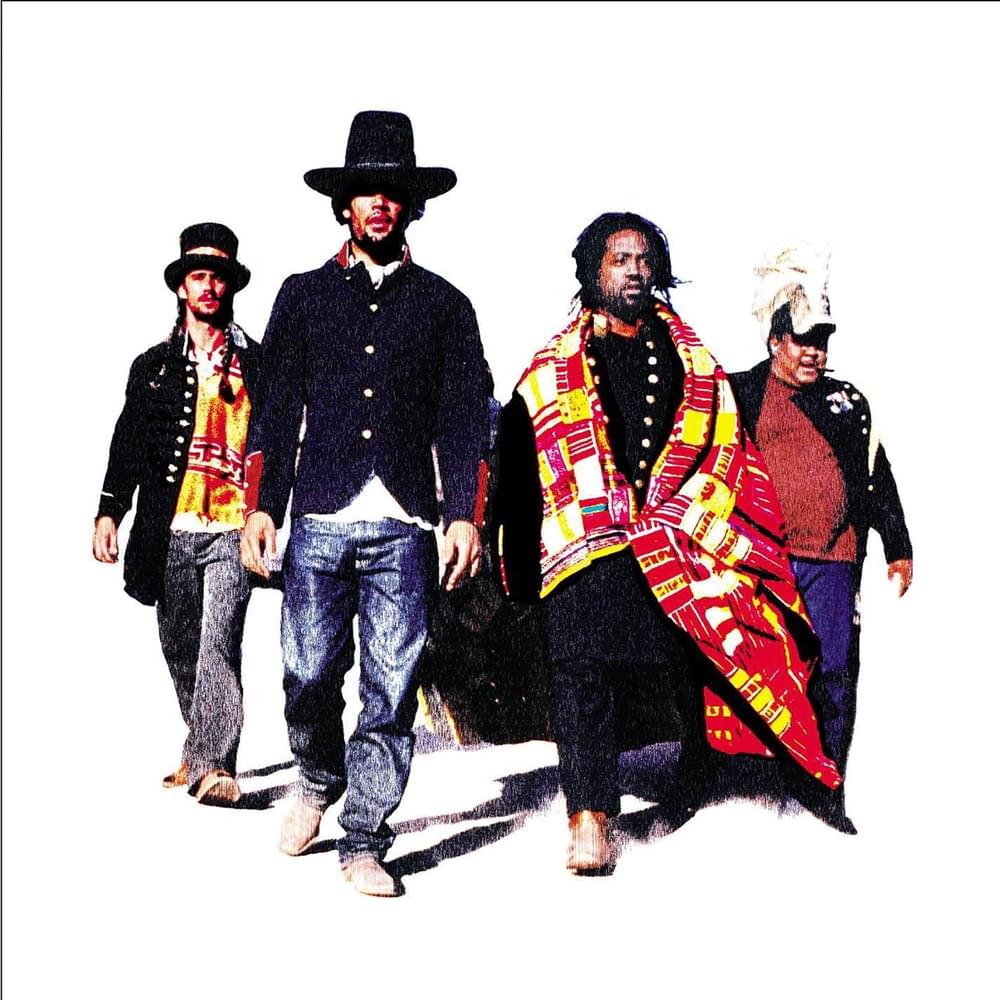
 View Artist