Song Meaning
The lyrics paint a stark picture of internal desolation, a place where the narrator feels irrevocably broken and disconnected. The opening lines immediately establish a sense of profound loss, describing "eternal darkness" and a feeling of being adrift without "ground to land on." This isn't just sadness; it's a declared state of being, a place where things "stay broken longer," suggesting a permanence to the damage. The repeated refrain, "That's where you're wrong / I've died inside," acts as a defiant, yet hollow, assertion against an external perception that the narrator might still be capable of healing or belonging.
The central tension arises from the narrator's deep-seated alienation and the perceived failure of another person to truly understand or acknowledge this state. The narrator feels "oblivious from everything," likening their condition to a "Liberty Bell that I can't ring" – a symbol of freedom and voice that remains tragically silent and inaccessible. The idea that "apologies won't unpave the road through you" highlights a painful realization that certain actions or betrayals have created an insurmountable barrier, making genuine connection impossible despite the narrator's need for "someone to talk to."
The writing cleverly juxtaposes societal platitudes about achieving dreams with the narrator's harsh reality. The line "They say you'll make your dreams come true / But clarity is one kickback" reveals a cynical view where enlightenment comes at a steep, debilitating price. The imagery of having "one hand tied behind your back inside" powerfully conveys a sense of being trapped and hindered, even within one's own mind. This internal struggle is further emphasized by "epiphanies rip through me," suggesting that moments of realization are not gentle insights but violent ruptures, leading to a "vision of uncertainty in everything."
Ultimately, the effectiveness of these lyrics lies in their unflinching portrayal of emotional paralysis and the painful recognition of a relationship's end. The narrator concludes that separation is the only path to safety for both parties, stating, "Safe from my heart, best we're apart / And now you're safe from these dreams and memories." This finality, born from a place of profound internal damage, leaves the listener with a lingering sense of irreversible loss and the quiet tragedy of a connection that could not be salvaged.
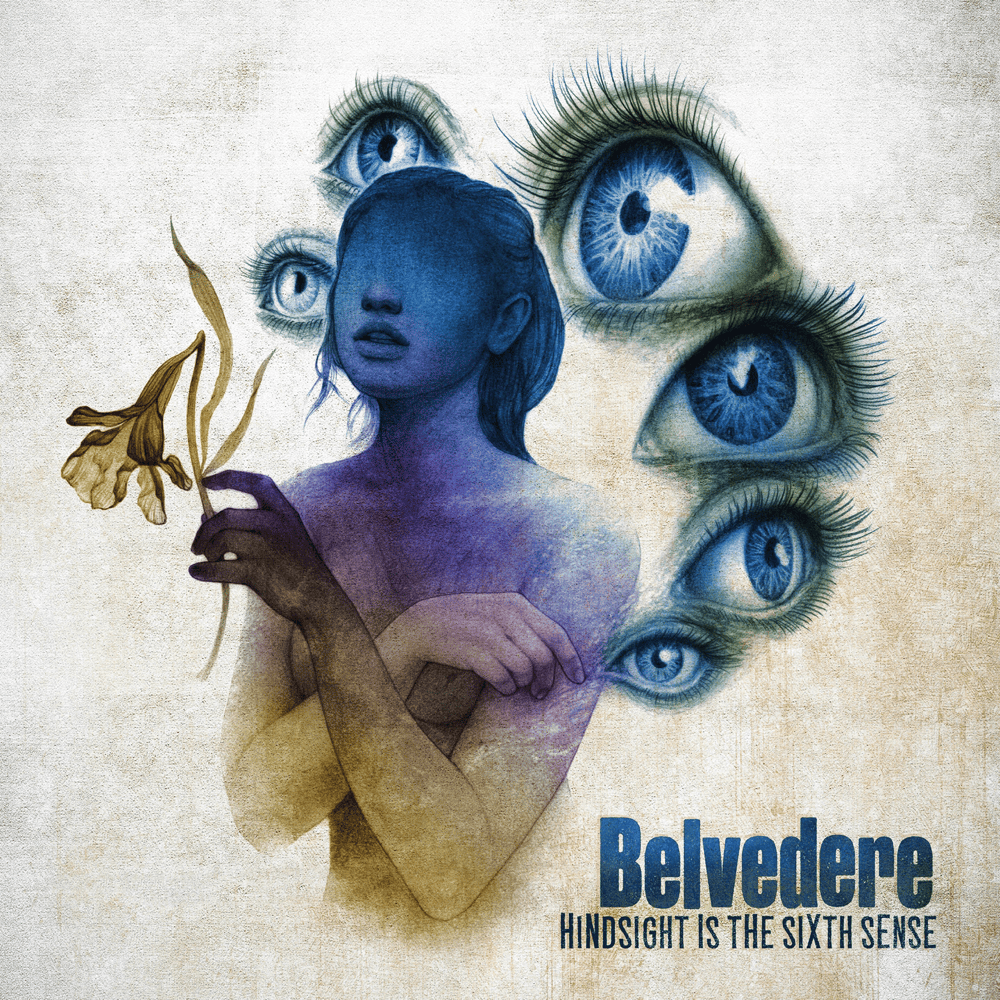
 View Artist