Song Meaning
The lyrics paint a stark picture of a life defined by suffering and confinement, where "cruelty" and "insanity" are intrinsically linked to the physical self. The narrator seems to perceive the "teacher, this pain" as a powerful, almost divine force, and the "wish to attain" is framed as the ultimate "prison." This suggests a profound disillusionment with existence, viewing the body and its desires as the source of all torment.
The central tension arises from a desperate yearning for escape, a desire to transcend the physical limitations that cause such agony. The repeated plea to "Burn my moral restriction" and to go "Beyond the flesh" indicates a radical rejection of conventional restraints and the material world. This escape isn't just a wish for relief, but a quest for a liberated "soul of me," implying a spiritual or existential freedom sought through annihilation of the self as it currently exists.
The most striking aspect of the craft is the inversion of conventional notions of freedom and salvation. Instead of life and health being desirable, "disease and suffering" are presented as the path to liberation, and "death dance[s] as a knife" to guide the way. This dark, almost nihilistic embrace of pain and death as a means of release is amplified by the repetitive, chant-like structure of the chorus, reinforcing the obsessive nature of this desire for transcendence.
What makes these lyrics so potent is their unflinching confrontation with the darkest aspects of existence and the human psyche. By framing suffering as the ultimate teacher and death as the only true freedom, the narrator creates a visceral, unsettling emotional landscape. The stark, almost clinical language, combined with the ritualistic repetition, forces the listener to grapple with a profound despair and a desperate, almost violent, longing for an end to the perceived prison of the flesh.
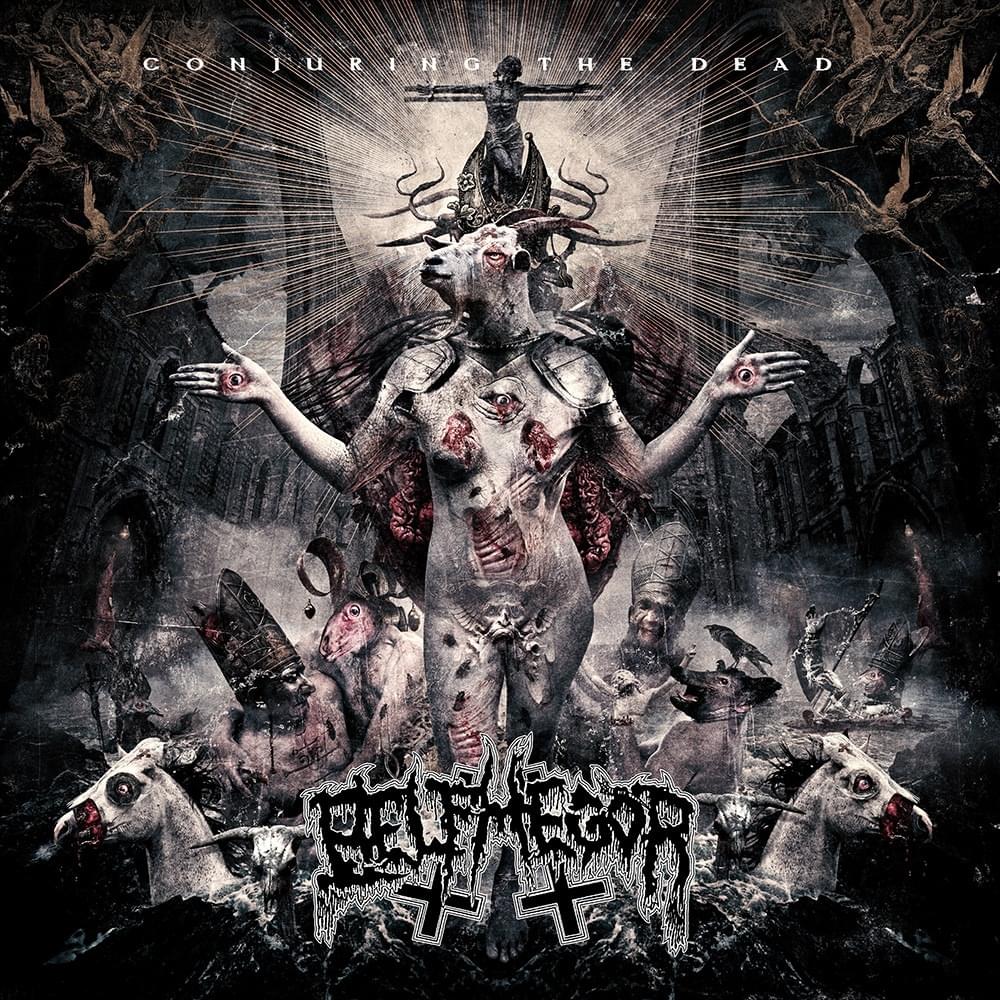
 View Artist