Song Meaning
The lyrics paint a poignant picture of stagnation and the bittersweet nature of memory. There's a sense of time frozen, particularly in the spare room where a younger visitor is expected, yet life itself feels paused. The recurring image of souvenirs in glass cabinets, marked by fingerprints, suggests a life preserved but untouched, a collection of moments that are observed rather than lived. The instruction to "dust your diorama" becomes a central metaphor for tending to these carefully arranged memories, perhaps to make them presentable or to acknowledge their static existence.
An underlying tension emerges from the contrast between past vitality and present isolation. The line "She built the boats, filled our sails" evokes a time of agency and shared experience, but this has devolved into her becoming "an island." Similarly, the male figure "longs to meet again" the woman he once knew, implying a disconnect from his past self. This isolation is further emphasized by the warning against lovers who can easily "write you out," highlighting the fragility of identity when defined by others.
The most striking craft element is the repeated motif of the "diorama." It’s not just a display of memories; it’s a meticulously constructed, static world. The act of dusting or blowing off a layer suggests a superficial engagement, a maintenance of the facade rather than a true re-engagement with life. This carefully curated presentation of the past, contrasted with the implied loneliness of being an "island," creates a powerful emotional resonance. The lyrics suggest that while memories can be cherished, they can also become a barrier to present experience, trapping individuals in a beautiful but lifeless display.
Ultimately, the effectiveness of these lyrics lies in their quiet, observational tone and the potent imagery of preserved moments. The "souvenirs" and the "diorama" serve as potent symbols for lives lived in retrospect, where the act of remembering has become more prominent than the act of living. The cyclical nature of the verses, returning to the "souvenirs" and the "diorama," reinforces the feeling of being caught in a loop, unable to move beyond the carefully arranged past.
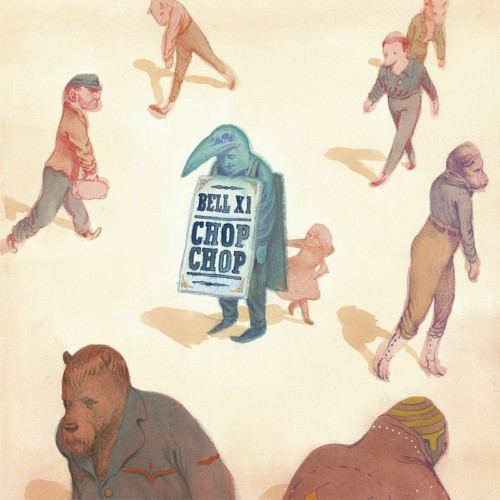
 View Artist