Song Meaning
The lyrics paint a stark picture of vengeful obsession, fueled by a deep sense of betrayal. The narrator's fantasy centers on acquiring a 'shotgun,' not for immediate violence, but as a tool to exert control and force confession. The imagined scenario involves hunting someone down, making them beg, and ultimately declaring them 'no good.' This isn't about a simple breakup; it's about a profound wrong that demands a specific, almost ritualistic, form of retribution. The repeated desire for the weapon underscores the intensity of this fixation.
The central tension lies between the narrator's desire for a cathartic confrontation and their perceived inability to achieve it without extreme measures. They acknowledge a hypothetical scenario where they might 'let you go' if the other person showed remorse, but immediately dismiss this possibility because the target is deemed 'too mean.' This highlights a self-awareness of their own vengeful impulses, framing the 'shotgun' as a necessary evil to achieve a desired emotional outcome – forcing the other person to acknowledge their wrongdoing and suffer.
The most striking element is the juxtaposition of childlike vulnerability with violent imagery. The narrator wishes they were a 'big girl' who could 'let my heart be free,' suggesting a longing for emotional maturity and peace. However, this wish immediately morphs into an even darker fantasy: if they *were* a 'big girl,' they'd have the other person 'hung in a tree.' This dramatic escalation reveals that the perceived lack of emotional freedom is directly tied to an inability to move past the anger and the desire for extreme punishment, making the 'shotgun' a symbol of this unresolved rage.
Ultimately, these lyrics resonate because they tap into the raw, often unspoken, desire for retribution when deeply hurt. The narrator’s explicit fantasy, though extreme, articulates a primal urge to confront and condemn someone who has caused pain. The craft here is in the directness; there's no poetic obfuscation, just a raw, almost desperate, plea for the means to enact a specific, imagined justice that feels, to the narrator, like the only way to achieve closure.
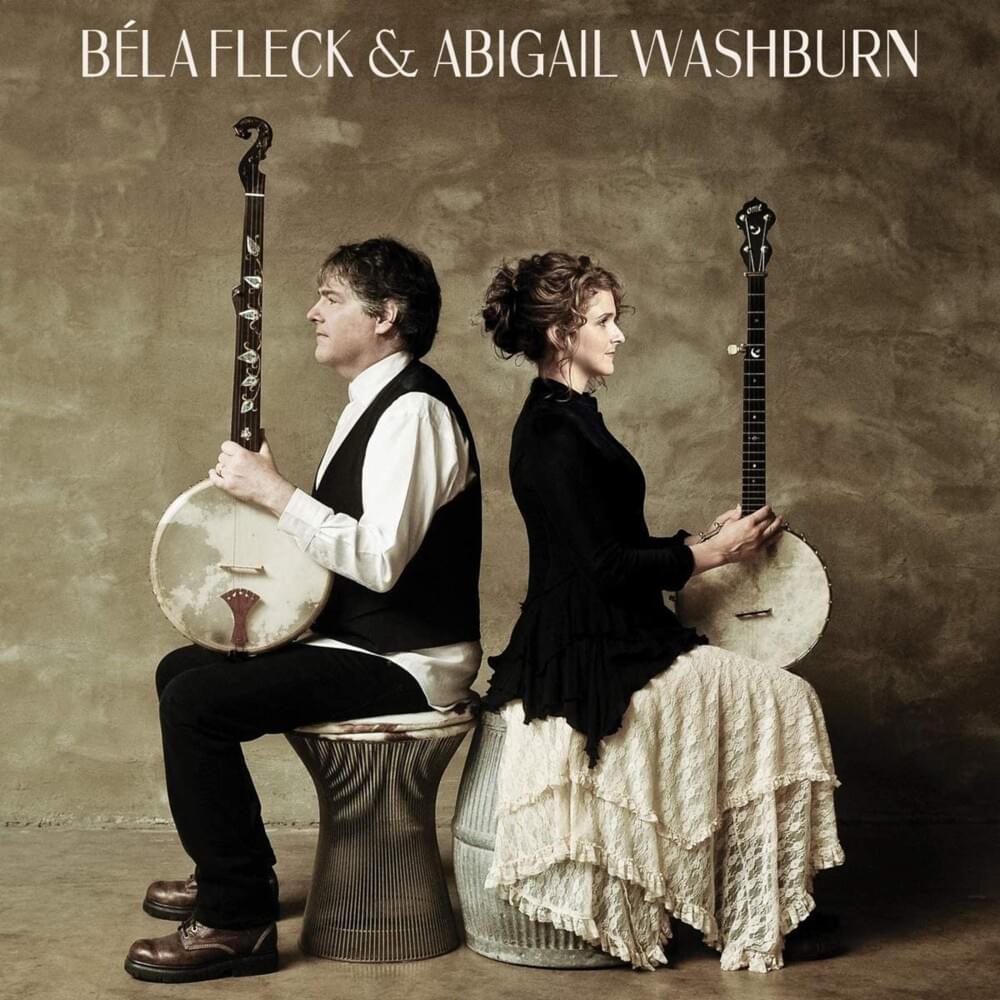
 View Artist