Song Meaning
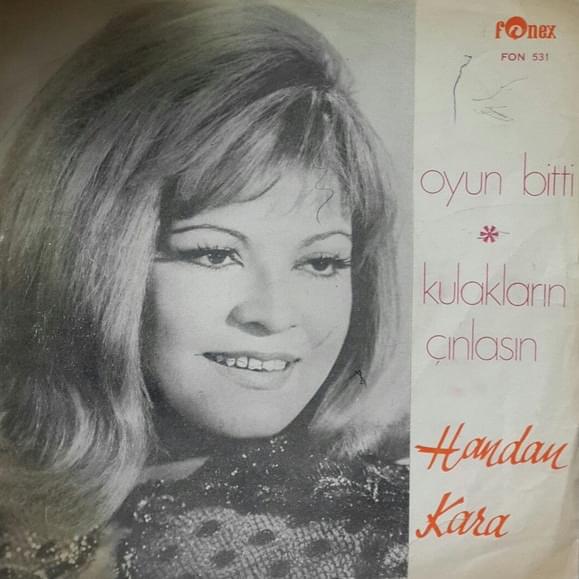
The lyrics paint a picture of intense longing and a complicated relationship, where the speaker is thinking of someone significant despite their current estrangement. The repeated phrase "Kulakların çınlasın" (May your ears ring) suggests the speaker is actively invoking the other person's thoughts, hoping they're being remembered in return. This act of remembrance happens "bu gece" (tonight), grounding the emotion in a specific, immediate moment. The core sentiment is a mix of affection and present conflict, as the speaker states, "Şimdi dargınız seninle" (Now we are angry with you), yet immediately qualifies it with "inan, sen herkesten başkasın" (believe me, you are different from everyone else).
The central tension lies in the paradoxical proximity and distance described: "Belki bana çok uzaktasın, belki bana çok yakınsın" (Maybe you are very far from me, maybe you are very close). This oscillation between emotional closeness and physical or relational separation fuels the song's ache. The speaker grapples with the unique nature of this bond, insisting that the depth of their connection is unparalleled. This feeling is amplified by the assertion that no one else could love the person as they do, nor understand them as deeply.
The most striking aspect of the craft is the relentless repetition, particularly of the core phrases about being different and the inability of others to understand or love. This creates a sense of obsessive focus, hammering home the speaker's conviction that this relationship is singular. The lines "Seni benim kadar hiç kimse sevmeyecek" (No one will love you as much as I do) and "Seni benden, beni senden başka hiç kimse bilmeyecek" (No one will know you like me, or me like you) function as a powerful, almost defiant declaration of exclusivity. The comparison to an unsolvable "bilmece" (riddle) further emphasizes the unique, perhaps even fated, complexity of their bond.
This lyrical construction is effective because it mirrors the overwhelming nature of such a singular, conflicted attachment. The repetition doesn't just emphasize the speaker's feelings; it creates a hypnotic, almost pleading quality that draws the listener into the intensity of their emotional state. The contrast between the desire for connection and the reality of their current "dargınız" (anger/estrangement) creates a palpable sense of yearning and unresolved emotion, making the speaker's insistence on their unique bond feel both deeply personal and universally understood in its pain.
 View Artist