Song Meaning
The lyrics open with a powerful, almost physical sensation of lingering warmth, repeated insistently: "Avuçlarımda hâlâ sıcaklığın var, inan." This isn't just a memory; it's a present, tangible feeling, emphasized by the repeated "sıcaklığın" and the plea "inan" (believe). It immediately establishes a tone of deep, unresolved connection.
The core of the song lies in the stark contrast between this persistent physical sensation and the spoken word. The narrator declares, "Unuttum" dese dilim yalan, yalan, yalan, billahi yalan" (If my tongue says I forgot, it's a lie, a lie, a lie, by God, a lie). This isn't just a simple denial; the triple repetition of "yalan" and the strong oath "billahi yalan" underscore the absolute impossibility of forgetting, highlighting a profound internal conflict.
The second verse introduces "Hasretindir içimde hep alev, hep alev, hep alev alev yanan" (Your longing burns inside me, always burning, burning, burning). This imagery of an internal, ever-present fire directly links the lingering warmth in the hands to a deep, consuming ache of longing. The repetition of "alev" amplifies the intensity of this feeling, suggesting that the warmth is not just a comfort but a constant reminder of absence.
Ultimately, the song's power comes from its raw, unvarnished expression of enduring attachment. The insistence on the physical sensation of warmth and the vehement denial of forgetting create a potent portrait of someone whose heart and body refuse to let go, even if words might try to deceive. It’s a testament to how deeply certain connections can imprint themselves, defying the passage of time and the pretense of moving on.
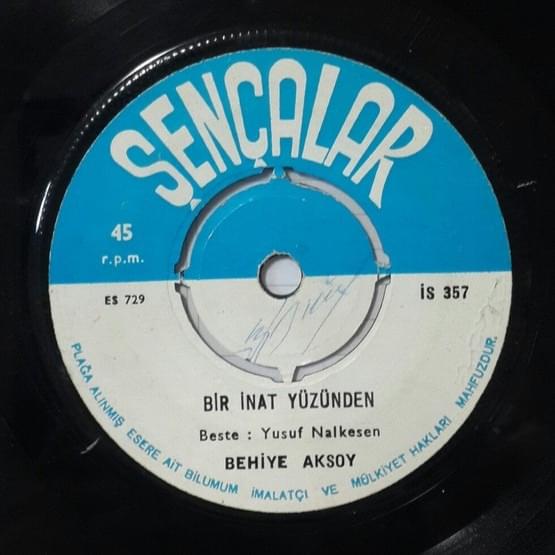
 View Artist