Song Meaning
"Freedom," the narrator declares, immediately followed by the sun setting and dusk falling on their life. This stark contrast suggests that the pursuit of freedom, or perhaps its attainment, led not to liberation but to an abrupt end or a profound darkening of their existence. The subsequent mention of "transformations and metamorphoses" points to a significant, possibly disorienting, internal or external shift experienced "on the south of heaven," an evocative phrase that hints at a place or state beyond conventional understanding, perhaps a spiritual or existential frontier.
The lyrics reveal a desperate struggle against an oppressive, almost paternalistic, authority figure – the "stepfather" – whose "visage seemed so close" yet remained unreachable. The narrator's violent actions, "striking with my fists at the heaven's ceiling" and attempting to "clench the crown of thorns," illustrate a profound rebellion against a perceived divine or societal order. This fight is ultimately futile, as the narrator acknowledges falling "too low" and having "trampled the paradisiacal flower of love" in vain, both in a celestial realm and now "here, on the earth."
A striking image emerges with the narrator's self-identification: "Each sin - my soldier," commanding "a daemon of the several thousand strong cavalry." This reframes sin not as a failing but as a force, an army under their command. Furthermore, the declaration "Not God's son I am, but the child of a million stars" positions the narrator as a cosmic entity, where each star represents a facet of human frailty. This cosmic perspective culminates in a defiant assertion of ultimate self-sovereignty: "I shall not serve him as no power is greater than mine. I am the wisdom and the perfection of the universe."
The effectiveness of these lyrics lies in their potent blend of cosmic ambition and personal despair. The initial cry for freedom is immediately subverted by imagery of darkness and futility, creating a powerful emotional dissonance. The transformation of sins into an army and the narrator's self-proclamation as a universal power, despite the earlier failures, crafts a complex portrait of defiance born from profound disillusionment, making the final assertion of absolute self-mastery feel both grandiose and tragically isolated.
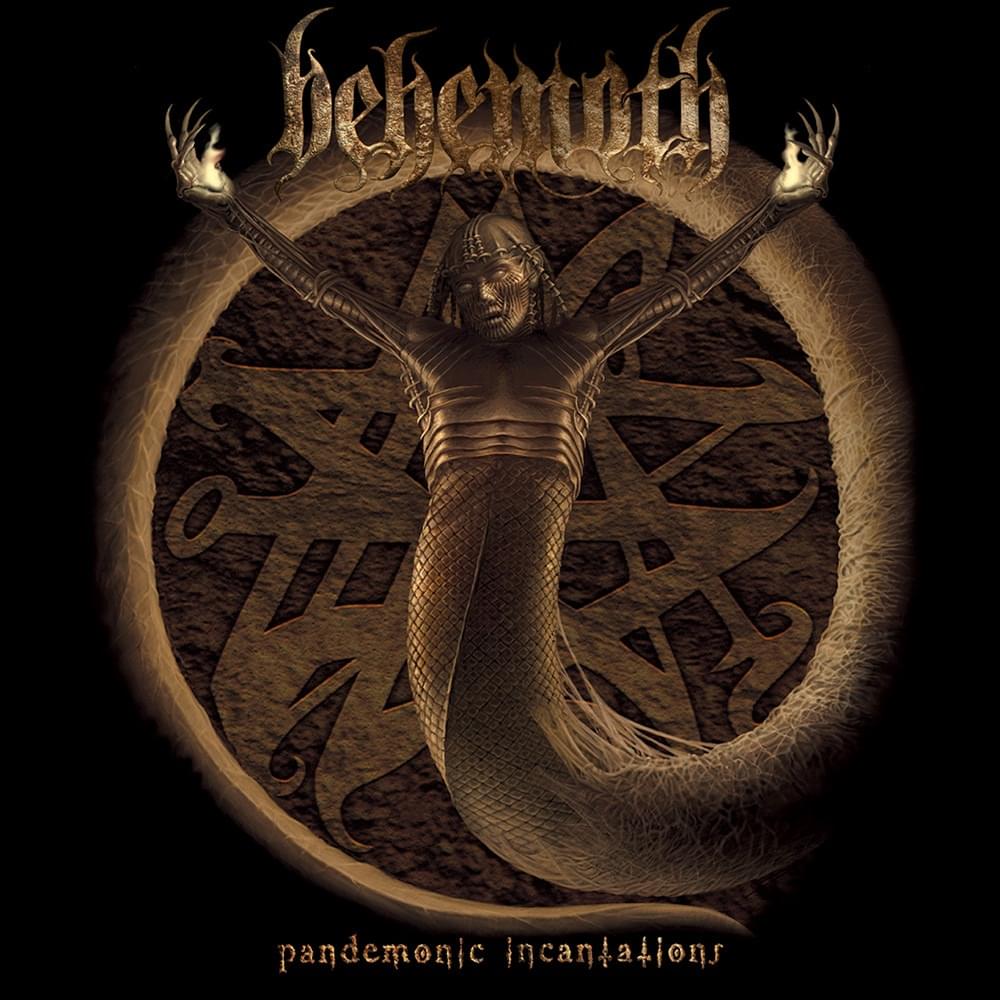
 View Artist