Song Meaning
The lyrics paint a vivid picture of a narrator deeply immersed in a primal, spiritual connection with nature, invoking ancient deities and spirits. The scene is set in natural landscapes – fields, forests, rocks, and caves – where the narrator actively seeks and gains favor through sacrifices. This isn't a passive observation; it's an active engagement with powerful, elemental forces that grant them the ability to transcend earthly bounds, symbolized by horses carrying them to the skies. The tone is one of reverence and a fierce, almost violent, pursuit of this connection.
The central tension arises from this powerful, almost aggressive, invocation and the subsequent promise of return and resurgence. The narrator's actions – attacking brushwood, touching motherland, finding worship in 'Percus' – are acts of claiming and appeasing. The repeated calls to 'Percus' and the imagery of 'magic circles and black stones,' 'forest spells and damned souls,' suggest a potent, perhaps dark, form of magic. This is juxtaposed with the hopeful, yet forceful, declaration that 'They will return, dance like fire, as before,' and 'They will rise once again... As a sign.' It speaks to a belief in cyclical power and the reawakening of ancient forces.
The most striking element is the direct address and repeated invocation of 'Percus,' presented as a thunderous, demonic entity guarding sacred places. This figure seems to embody the raw, untamed power the narrator seeks and worships. The lyrics suggest a rediscovery of ancient strength, a sorcerer-like ability to 'defeat,' echoing a power wielded 'thousands years ago' and associated with 'oaken castles from millenium before.' This isn't just about finding peace; it's about reclaiming a potent, almost warlike, spiritual authority tied to a forgotten past.
What makes these lyrics resonate is their unflinching embrace of a fierce, almost pagan, spirituality. The narrator doesn't just believe; they actively participate, sacrificing and invoking, seeking a power that feels both ancient and intensely personal. The imagery of nature as a living entity filled with spirits, combined with the promise of a powerful return, creates a compelling narrative of spiritual reclamation and the enduring strength found in 'heathendom.'
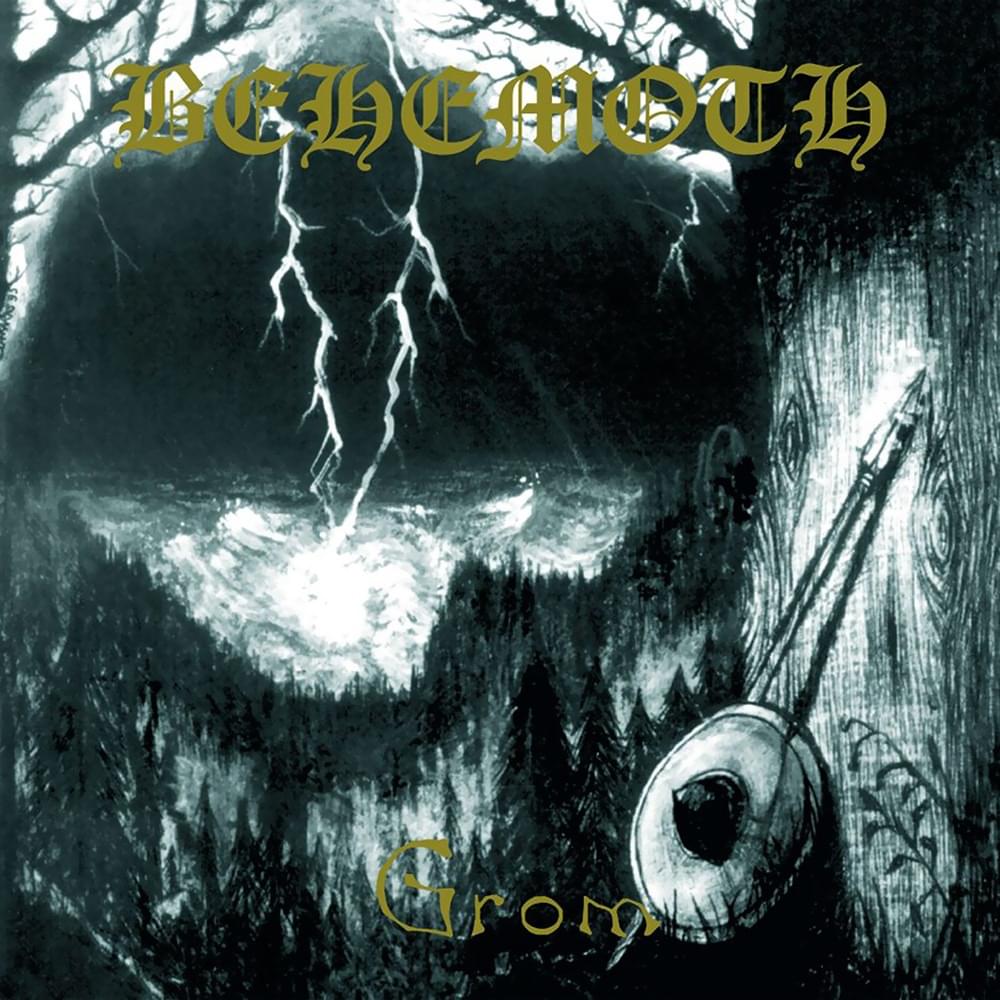
 View Artist