Song Meaning
The lyrics paint a picture of a desperate, almost ritualistic summoning, steeped in ancient imagery and a profound sense of longing. The narrator calls out to a powerful, perhaps divine, entity, commanding it to "ascend at my command" and "surmount the sea." There's a palpable sense of anticipation, a desire for this entity to "throw open portals of life" and help the narrator scale a metaphorical "endless mountain of grace and of tears." This initial plea is laced with an undercurrent of sorrow, evident in phrases like "mourn unheard" and "abandoned heart so desolate."
The central tension arises from the narrator's complex relationship with this summoned power. While initially pleading and desiring its presence for solace and transcendence, the tone shifts dramatically. The command to "bow down before the kingless throne" and "consume this putrid sphere" suggests a desire for destruction or radical change, not just personal salvation. The narrator then claims to have witnessed the entity's "apparition" and desires to "bathe in thy divinity," but this is followed by a startling assertion of defiance: "Disobedience has such a victorious taste." This implies a subversion of the expected power dynamic, where the narrator, having experienced the entity's presence, now feels empowered to challenge it.
The most striking aspect of the craft is the juxtaposition of archaic, almost liturgical language with raw, visceral desires. Phrases like "From long forgotten aeons" and "heavenly chants mute" evoke a sense of ancient ritual, yet they are paired with the bluntness of "fucking long" and the visceral imagery of "consume this putrid sphere." The concept of the "kingless throne" is particularly potent, suggesting a power vacuum or a rejection of traditional authority, which the narrator seems poised to fill or exploit. The final challenge, "Canst Thou hear my battle cry?" solidifies this shift from supplication to confrontation, highlighting a profound internal struggle for agency.
This lyrical construction is effective because it taps into a primal desire for both connection and control, wrapped in a mythic narrative. The progression from desperate calling to defiant questioning creates a compelling emotional arc. The narrator's journey, from feeling "abandoned" and seeking divine intervention to embracing "disobedience" and issuing a "battle cry," speaks to a powerful, albeit dark, assertion of self against overwhelming forces, whether internal or external. The ambiguity of the "kingless throne" and the nature of the summoned entity leaves the listener with a sense of unresolved, potent conflict.
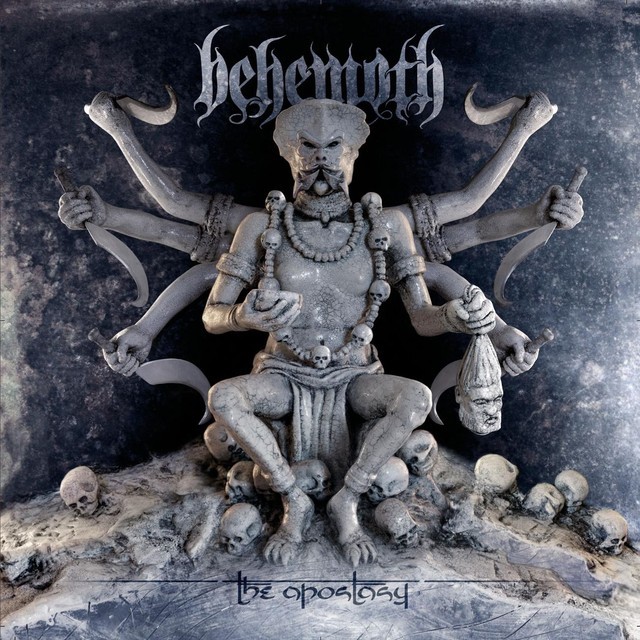
 View Artist