Song Meaning
The lyrics paint a picture of a powerful, almost elemental deity, addressed directly as "Ty" (You). This figure commands storms and wind, nurturing their "children" with the elements. However, this nurturing has also stirred up immense hatred in the minds of these same children, creating a turbulent sea of animosity. The imagery shifts to ancient oaks bowing in reverence and a sacred fire concluding its dance, suggesting a moment of profound, almost ritualistic, stillness after a display of immense power. The scene is further populated by silent owls and wolves looking skyward, awaiting something.
The central tension arises from the dual nature of this deity. It is simultaneously a source of life, described as a mother's womb and strength, encompassing all natural landscapes – earth, fields, forests, meadows, and groves. This is the "essence of life," a magic that lives. Yet, it is also perceived as darkness and an enemy by some, a lost sheep, a serpent, or death itself, evoking fear. This duality positions the deity as a truth that defies established religious symbols, spitting on the cross, suggesting a rejection of conventional dogma.
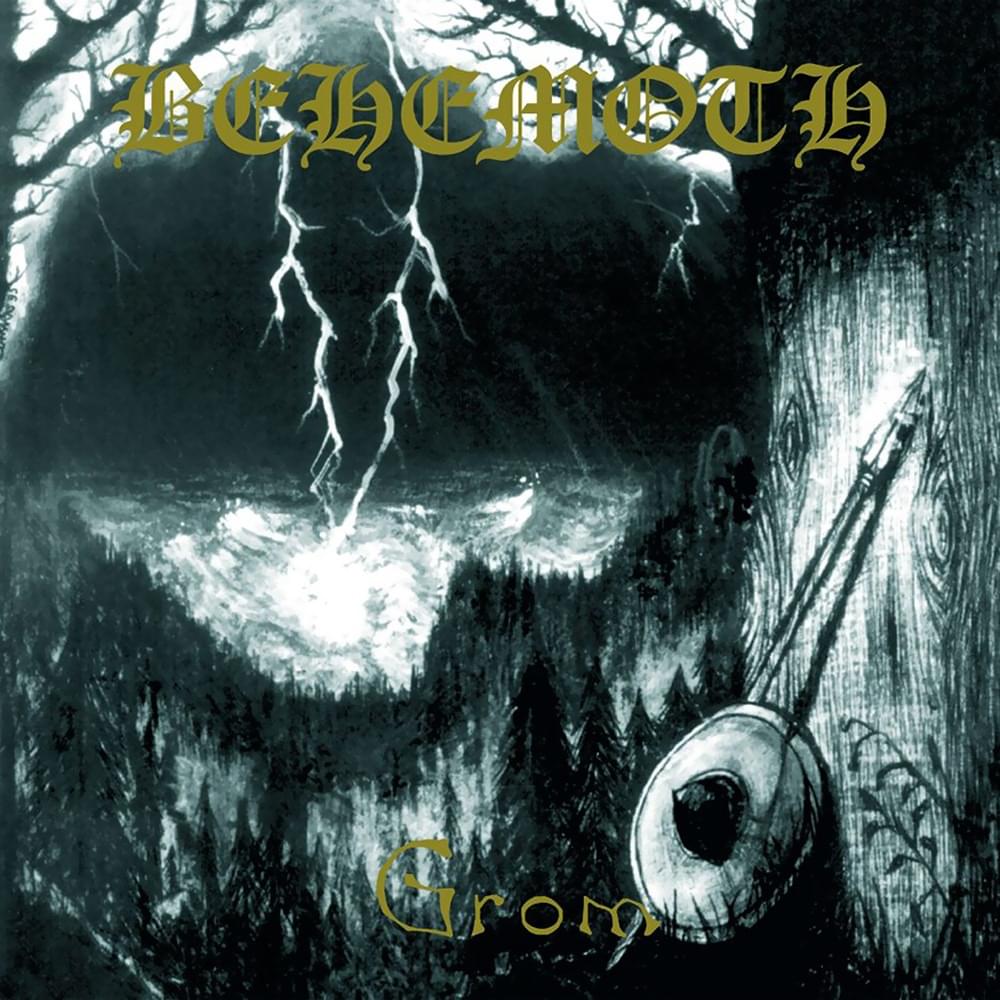
The lyrics employ potent, almost primal imagery to convey this deity's might and the reverence it inspires. The mention of "thunderous holy fire" and "naked wolves" creates a visceral sense of raw, untamed power. The repeated invocation of "Grom" (Thunder) serves as a herald, announcing the deity's arrival and the coming of a new, powerful era. This thunder is not just a sound but a harbinger of divine vengeance and a bell striking pagan hearts, signifying a return to ancient, perhaps forgotten, truths.
Ultimately, these lyrics are effective because they tap into a deep-seated awe for the overwhelming forces of nature and the complex, often contradictory, feelings these forces evoke. The writing crafts a powerful, almost mythic narrative of a deity that is both creator and destroyer, life-giver and harbinger of fear. The final lines, with the "sea forests" rustling majestically, reinforce the idea of this deity's pervasive, undeniable presence and the dawning of a new, potent age heralded by thunder.
 View Artist