Song Meaning
The lyrics paint a raw portrait of grief, centered around the repeated address "dearest." This term of endearment, once a source of closeness, now underscores a profound absence. The narrator clings to the memory of being called "dearest," finding a fleeting sense of proximity in that echo. It's a desperate attempt to bridge the chasm left by loss, highlighting how language can both connect and betray us in sorrow.
The central tension lies in the stark contrast between the warmth of the past and the desolation of the present. The narrator wishes a "picture" of their loved one was "reality," a poignant expression of longing for what was lost. This desire is immediately followed by the devastating realization: "The Lord took you away." The repetition of "I will remember you" serves as a solemn vow, a fragile anchor in the face of overwhelming emptiness.
The most striking element is the almost incantatory repetition of "dearest." It transforms from a tender greeting into a lament, a desperate plea to recapture a lost intimacy. The phrase "My dearest, I'm nearest, then I've ever been before" is particularly telling, suggesting that in the act of remembering and calling out, the narrator feels closest to the departed, even as they are physically separated by death. This paradox of closeness in absence is the emotional core.
This writing is effective because it grounds immense grief in simple, repeated phrases that become imbued with sorrow. The direct address and the wish for a "picture" to be "reality" make the pain feel immediate and personal. The lyrics don't offer resolution, but rather capture the ongoing, raw ache of remembrance, making the listener feel the weight of that enduring love and loss.
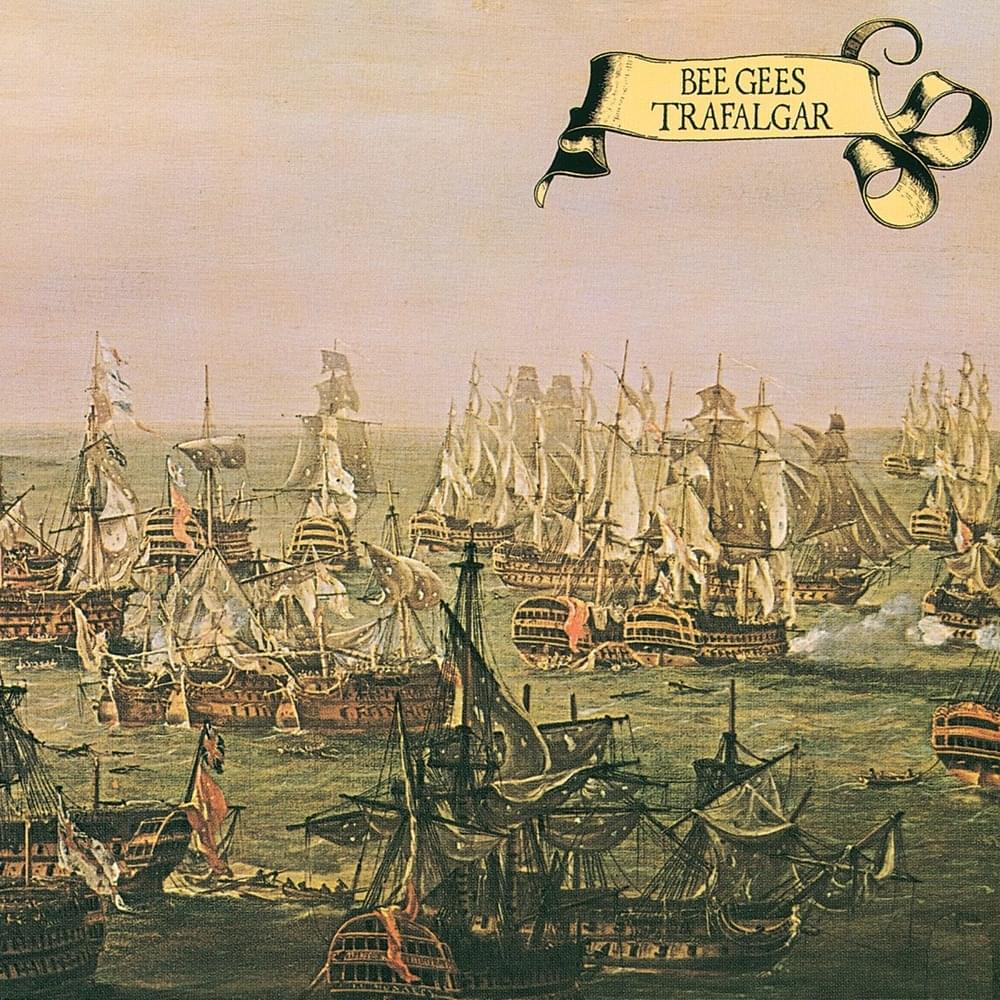
 View Artist