Song Meaning
The lyrics paint a stark picture of an immediate, overwhelming crisis. The narrator feels besieged, declaring, "I am surrounded by my enemies," and finding solace only in the "darkness." This isn't a gradual descent; it's an abrupt beginning, a "trivial paroxysm" that instantly plunges the speaker into a state of intense suffering and desperate anticipation. The air itself feels thin, with "each breath feels like my last."
Despite this suffocating despair, a defiant core emerges. The narrator insists, "But that won't stop me," and claims knowledge of the ultimate outcome: "I've seen the way it ends." This foreknowledge fuels an unyielding resolve to "carry on." The central tension lies between the crushing weight of the present moment and the unwavering conviction that survival is not only possible but inevitable, even if the present state feels unsustainable.
The most striking aspect is the paradoxical assertion of resilience. The narrator admits a profound personal weakness, stating, "I'm incapable of sustaining myself even for a moment." Yet, this vulnerability is immediately countered by an almost cosmic ambition: "I will outlive time." This juxtaposition of utter fragility and infinite endurance creates a powerful, almost surreal, sense of determination.
This lyrical construction is effective because it grounds an immense struggle in relatable, visceral sensations while simultaneously elevating it to an epic scale. The raw fear and physical struggle are palpable, but the narrator's refusal to yield, coupled with the grand promise of outlasting existence itself, transforms a personal crisis into something profoundly, almost mythically, defiant. The repeated command to "Carry on" becomes a mantra against annihilation.
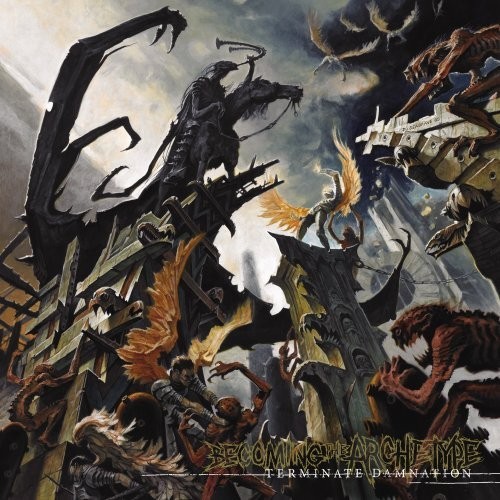
 View Artist