Song Meaning
The lyrics paint a picture of a primordial time when humanity possessed the "power of fire," a divine gift and the sole secret the "enemy" lacked. This knowledge was intrinsically tied to the human soul, a vital component imparted at creation. The narrative immediately establishes a cosmic conflict, framing fire not just as a physical element but as a sacred trust, the very essence of humanity's unique spiritual endowment.
The core tension arises from a catastrophic betrayal. The "enemy," driven by a desire for this unpossessed knowledge, strikes a pact with early, "ignorant" humanity. In exchange for "keys to knowledge," mankind surrenders their immortal souls, a trade that marks the "great fall" and the beginning of ages of corruption. This exchange is presented as a foundational act of deception, where a perceived gain in understanding leads to an irreversible spiritual loss.
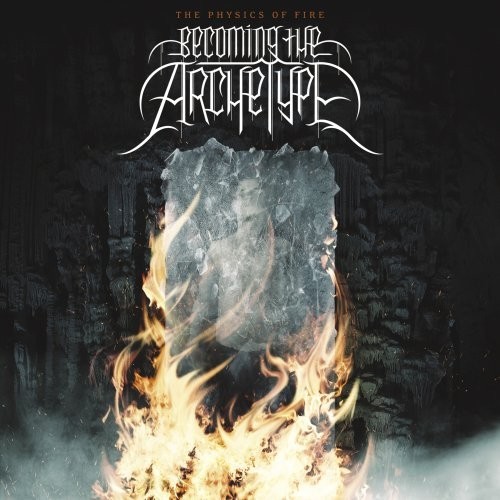
The most striking aspect of the craft is the stark, almost elemental imagery used to describe the consequence of this pact. The souls, once "vital components" of a fiery essence, are now "corrupted" and "encased in ice." This sharp contrast between the initial warmth and life of fire and the cold, lifeless state of ice powerfully conveys the totality of the spiritual devastation. The enemy's victory is complete, leaving humanity's essence frozen and held captive.
This narrative is effective because it grounds a grand, mythic conflict in a deeply personal sense of loss. The "great fall" isn't just an abstract event; it's the theft and corruption of something intrinsically human – the soul, represented by the primal power of fire. The stark imagery of souls trapped in ice leaves a chilling impression, suggesting a profound and enduring spiritual imprisonment that began with a single, devastating act of deception.
 View Artist