Song Meaning
The lyrics open with a stark reversal: a mutual discovery that quickly sours into "found misery." The speaker feels physically and emotionally "bentd up" by the fallout of this connection. There's an immediate sense of regret and pain.
A core tension emerges from the speaker's conflicted role and the other person's perceived abandonment. The lines describing past actions, like "I was true / Though I lied," suggest a complex, perhaps self-sabotaging, dynamic within the relationship. This internal contradiction fuels a growing resentment, particularly as the speaker feels burdened by "All of the blame."
The most striking element is the abrupt shift in resolve. After detailing past wrongs and the unfair distribution of blame, the speaker defiantly declares an intention to "catch that train and ride." This isn't just a departure; it's a clear rejection of the emotional burden, a decisive break from the past, and a dismissal of the other person's new connections.
The lyrics effectively convey a journey from shared hope to profound disillusionment and ultimately, a grim liberation. The final image of the "Happy skull" offers a darkly poetic resolution. It suggests a peace found not in joy, but in a detached acceptance of finality, perhaps even a morbid humor in escaping the pain of the living relationship.
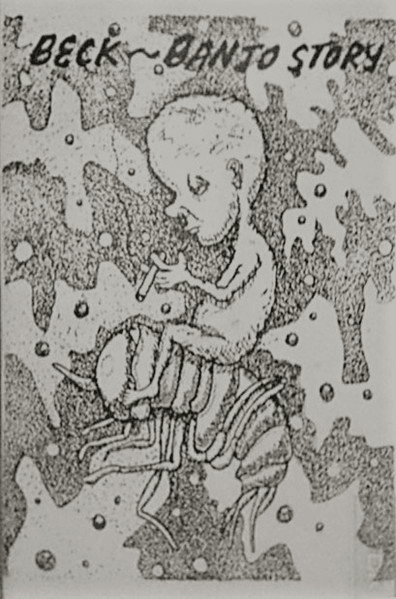
 View Artist