Song Meaning
The lyrics paint a scene of a dramatic, almost mythical encounter set against a "turquoise dawn." The narrator is swept away, not just by a lover, but to a "pharaoh's world," a place of immense power and finality. This isn't a gentle romance; it's an epic, almost fatalistic embrace. The request to be buried with "royal honors" and to make it a "holiday for all the dead world" elevates the moment beyond personal feeling to a grand, symbolic event. It suggests a love so profound it demands a cosmic acknowledgment, a finality that echoes through eternity.
The central tension arises from the lover's arrival with "paper flowers" and a tearful "I love you," juxtaposed with the narrator's recognition of a "curse" on her face. This contrast highlights a doomed affection, one where declarations of love are met with an awareness of impending sorrow and a desire to forget. The narrator, however, commits to following "to the end" for a "crime" committed by the lover, drawing them into a dangerous "darkness." This suggests a complex dynamic of attraction and destruction, where love is intertwined with transgression.
The most striking element is the narrator's self-identification as "Lakidaf of the desert," a figure who leads others "to the tomb." This imagery transforms the personal relationship into a mythic quest, where the narrator is a guide into oblivion, perhaps even a siren luring the lover to their ultimate fate. The final lines, "You hold me by the hands / And leave me alone without you," deliver a gut punch, revealing the ultimate loneliness within this grand, destructive union. The "royal honors" and "holiday for the dead" suddenly feel like a eulogy for a love that never truly lived, or a prelude to an inevitable separation.
This writing is effective because it uses grand, almost operatic imagery to explore intimate, destructive emotions. The contrast between the "turquoise dawn" and the "tomb," the "paper flowers" and the "curse," creates a potent sense of foreboding and tragic beauty. The narrator’s self-appointed role as a desert guide to doom, coupled with the final, stark image of abandonment, makes the emotional impact visceral. It’s a powerful portrayal of love as an all-consuming, potentially annihilating force.
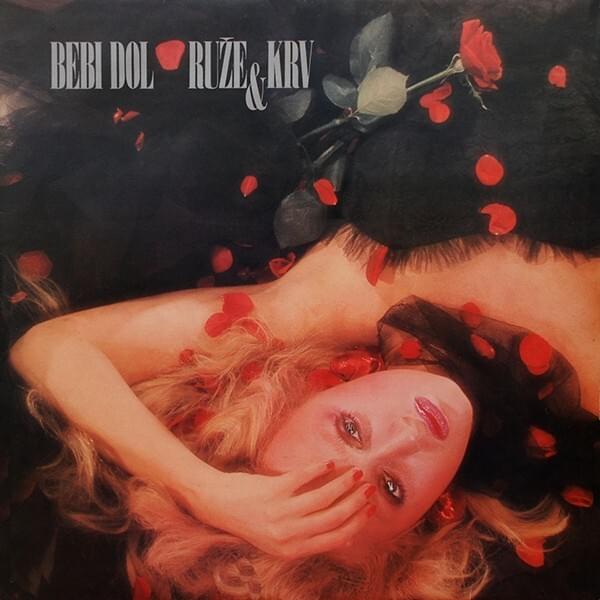
 View Artist