Song Meaning
The lyrics paint a picture of a narrator stuck in a strange, dim garden, paralyzed by indecision as dusk falls. This stasis is contrasted with the elusive figure of Alicia, who exists in a dreamlike, almost disconnected state, characterized by a "moon for a brain" and a tendency to "pull the thread of her tangle." The narrator seems captivated and perhaps frustrated by her ephemeral nature.
The central tension lies in Alicia's contradictory actions and the narrator's reaction to them. She is described as being "in the labyrinth / Without a minotaur, she calls me: Theseus!" suggesting a call to action or rescue that is perhaps self-created or illusory. Her declarations of love are immediately followed by abandonment, and her presence is fleeting, making her an unreliable and enigmatic figure. The narrator appears to be waiting, observing, and perhaps yearning for something concrete from her.
The most striking craft element is the repeated invocation of "Alicia," framing her as a character in a surreal narrative, akin to Lewis Carroll's creation. The lyrics use dreamlike imagery: "in the background of the mirror," "pulling the thread of her tangle," "weaving the clouds / With fabric that never ends." This consistent, almost incantatory repetition of her name, coupled with fantastical descriptions, emphasizes her otherworldly and detached quality, making her seem less like a person and more like a manifestation of fantasy or escapism.
These lyrics resonate because they capture the feeling of being tethered to someone or something that is perpetually out of reach, existing in a realm of imagination rather than reality. The narrator's passive observation and the lyrical portrayal of Alicia's whimsical yet disengaging actions create a poignant sense of longing and bewilderment. The contrast between the narrator's static waiting and Alicia's fluid, nonsensical existence highlights the difficulty of connection when one party is lost in their own Wonderland.
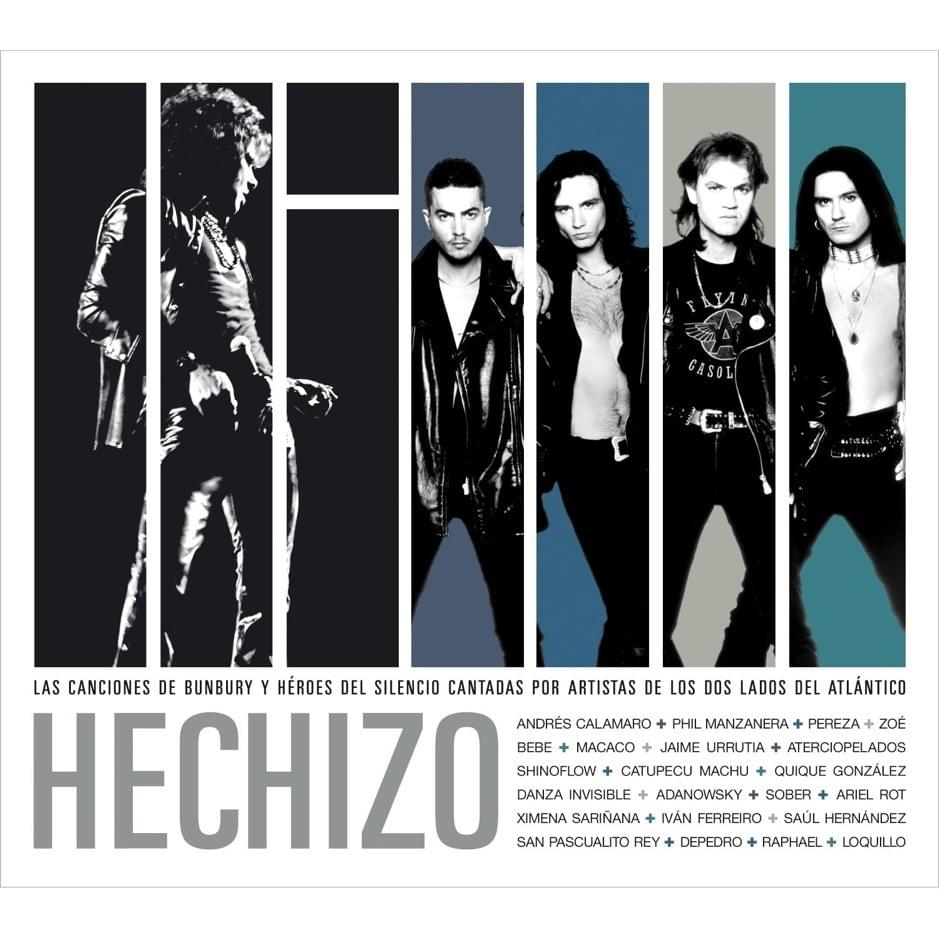
 View Artist