Song Meaning
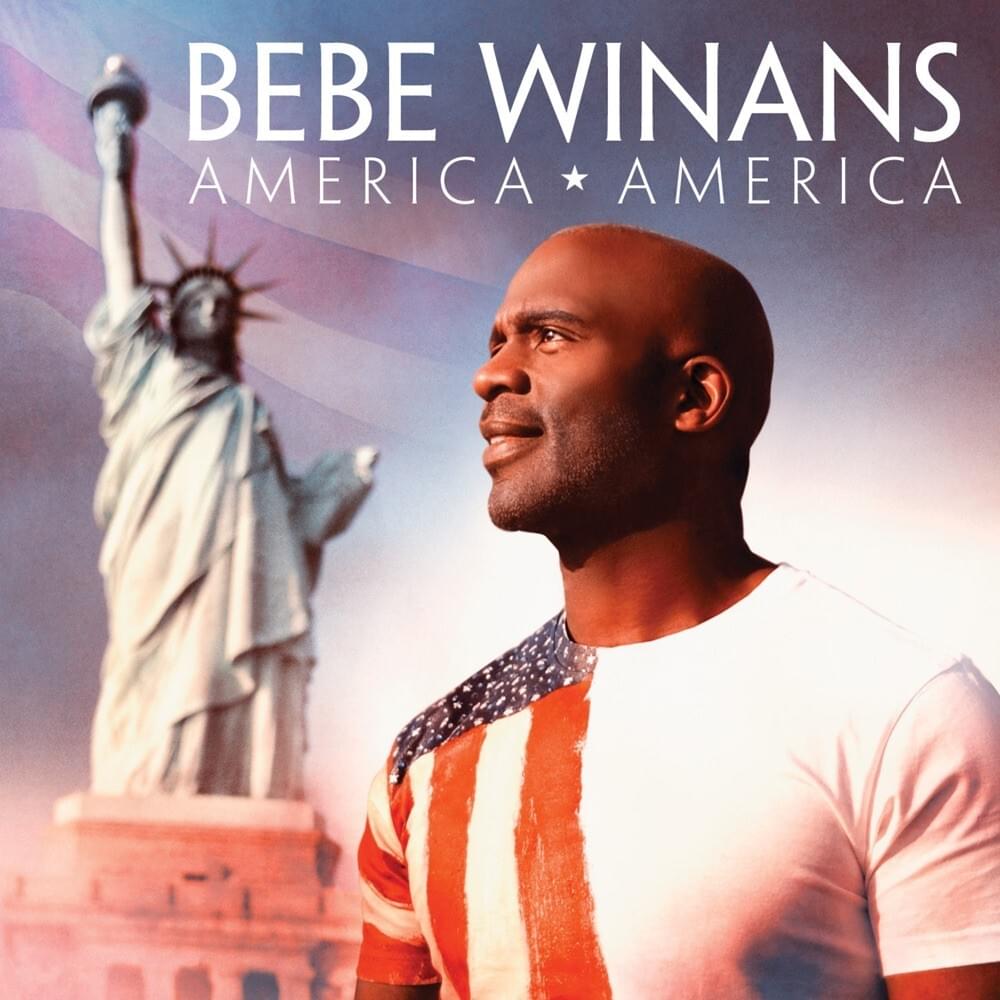
BeBe Winans' rendition of "America (My Country 'Tis of Thee)" arrives not as a simple cover, but as a plaintive prayer uttered through the complicated lens of American identity. The opening lines, a near-verbatim echo of the original, immediately establish a grounding in tradition, yet the subtle shifts and additions throughout signal a deeper, more personal engagement. Winans isn't merely celebrating an idealized America; he's grappling with its promises and its failures, its inherent contradictions laid bare in the space between aspiration and reality. The invocation of "tears of thee" suggests a nation marked by suffering, perhaps reflecting on the historical and ongoing struggles for equality and justice that stain the American narrative. This isn't blind patriotism; it's a call for accountability. The line "Land where my fathers die" is particularly poignant, carrying the weight of ancestral sacrifice and the persistent fight for recognition and belonging. These "fathers" could represent not just literal ancestors, but also the spiritual and political forebears who struggled for a more perfect union.
The song pivots from observation to supplication, pleading for divine guidance and protection. "Our father's guard to thee / Author of liberty to thee we sing" becomes a desperate request for the nation to live up to its founding ideals. Winans isn't just singing *about* freedom; he's singing *for* it, recognizing that liberty is not a static state but a continuous process requiring vigilance and divine intervention. The plea to "Protect us by thy mind / Great God, our King" reveals a vulnerability, an acknowledgment that America's fate rests not solely on its own power but on a higher power's grace. This humility is crucial, especially in a context where American exceptionalism often overshadows the need for introspection and spiritual reckoning.
The final verse introduces more abstract, almost surreal imagery. "Grand birds fly of our sons / Our authors and our fires keep" hints at a legacy of achievement and creativity, but also a need to safeguard the flame of inspiration and progress. The lines "We still pure, our starting fed us / Through the hope of all the world" suggest a yearning to return to foundational principles, to recapture the idealistic spirit that once fueled the nation's promise. The closing assertion that "God holds a cure" offers a glimmer of hope amidst the complexities and contradictions. It's an assertion of faith, a belief that even in the face of deep-seated problems, redemption and healing are possible. Winans doesn't offer easy answers; instead, he presents a powerful meditation on American identity, faith, and the enduring struggle to realize the nation's highest ideals.
 View Artist