Song Meaning
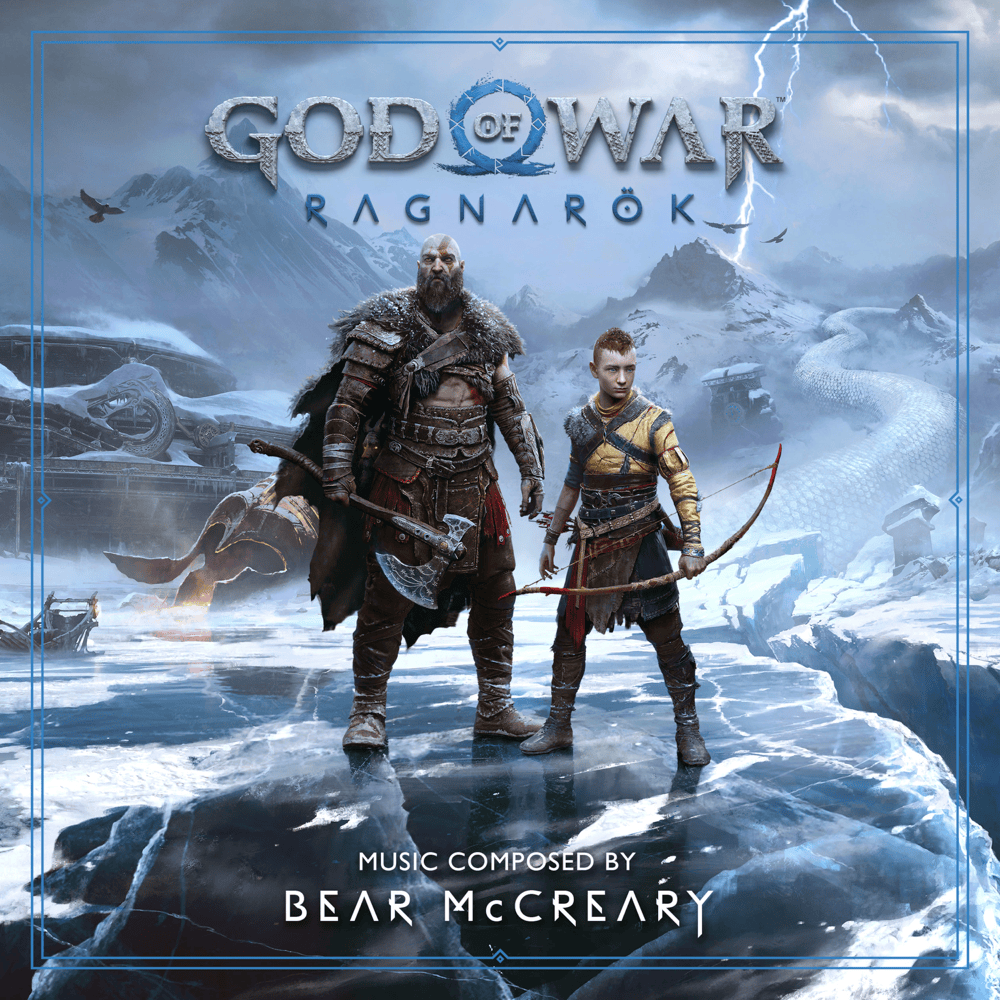
The lyrics paint a stark picture of a cursed god, an outcast defined by familial burdens and a child's suffering. Phrases like "Útlægr Guð" (Outcast God) and "Smán föður, Von móður, Þraut barnsins" (Father's shame, Mother's hope, Child's trial) establish a lineage of pain. This isn't just a divine being; it's a "Stríðs sonur" (Son of war), burdened by a destiny he didn't choose, where "Vex máttur" (Might grows) in a "Guðs syni" (God's son) who "mun fara" (will go), leaving the narrator with "enga aflausn" (no salvation).
The central tension arises from the inescapable nature of this fate, amplified by a "Stormr haturs" (Storm of hate) that "Ger fortíð upp" (Brings the past to life). The idea of "Fyrirgefning" (Forgiveness) is presented as "þungbær" (heavy), almost unattainable, while the god's own "Græð kvöl hans" (heals his torment) through this cycle of hate. The lyrics suggest a prophecy unfolding, where "Þau nálgast Spádóminn" (They approach the prophecy), and the chilling question "Hver fellur þar?" (Who falls there?) hangs heavy, implying a foregone conclusion.
The most striking craft element is the cyclical repetition of the core familial burdens, anchoring the narrative in a sense of inherited doom. This is juxtaposed with the growing power of the god's son, hinting at a future confrontation or transformation. The imagery of the storm of hate and the approaching prophecy creates a palpable sense of dread, a relentless march toward an unavoidable end. The final lines, "Heyr mína rödd, Vísa myrkvaða leið" (Hear my voice, Guide the darkened path), serve as a somber plea or a grim declaration of the path ahead.