Song Meaning
The lyrics open with a poignant, almost ritualistic plea. The speaker lights a candle, addressing "Negrinho do Pastoreio" and asking for the return of "A querência que eu perdi"—a lost homeland or cherished place. There's an immediate sense of deep longing and a connection to a spiritual or folkloric figure.
This yearning stems from a profound regret. The speaker explicitly states they lost their freedom and sense of belonging the day they got "me embretei na cidade" (lost or entangled in the city). The lyrics paint a vivid picture of what was left behind: a "pago" (region/homeland) vibrant with "Coloreado de pitanga," the simple joy of a "gauchinha brincando," and the tangible freedom found in nature.
The candle itself becomes a powerful symbol beyond a mere offering. The speaker declares, "Nela está meu coração," imbuing the small flame with profound personal emotion. Later, the burning candle is described as "aquecendo a tradição," suggesting it not only holds individual sentiment but also warms and preserves a cultural heritage tied to the lost land.
Ultimately, these lyrics resonate through their raw, unvarnished honesty. The contrast between the idyllic, free past and the city's entrapment creates a universal ache for what's been forsaken. By anchoring such deep personal and cultural longing in the simple act of lighting a candle, the lyrics craft a powerful, evocative narrative of memory, regret, and enduring hope.
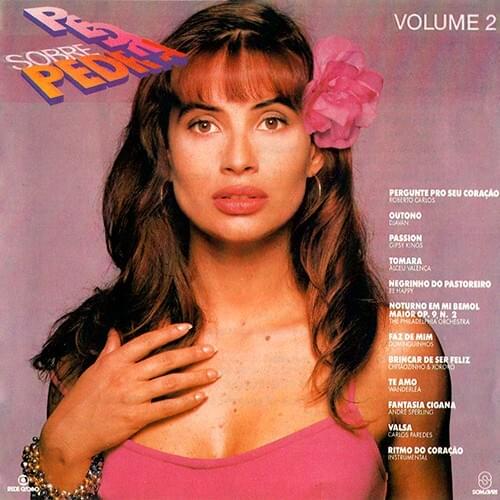
 View Artist