Song Meaning
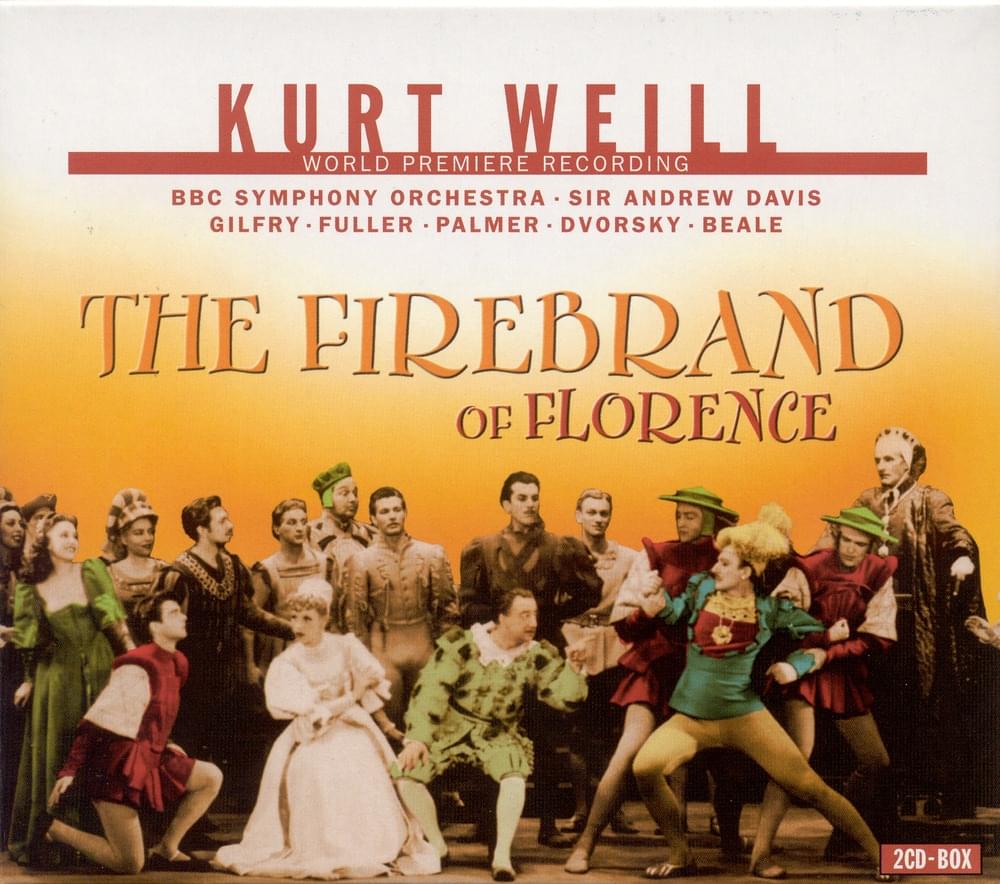
The lyrics paint a vivid, almost theatrical scene surrounding a trial, focusing on the commercialization and varied reactions to a man named Cellini facing a dire fate. A spoken introduction immediately establishes Cellini's peril, setting a tone of impending doom. This is quickly juxtaposed with the boisterous calls of vendors hawking "souvenirs of the trial," highlighting how even a potentially tragic event becomes a spectacle for profit. The contrast between the gravity of a "trial" and the mundane urgency of selling trinkets creates a jarring, almost absurd atmosphere.
The core tension arises from the starkly different perspectives on Cellini's situation. While the narrator and the vendors frame it as a dramatic event, the hangman offers a brutally pragmatic view: "One man's death is another man's living." This cynical observation underscores the transactional nature of life and death, suggesting that even in the face of another's demise, opportunities arise for others. The models and apprentices, meanwhile, express a mix of sorrow and a desperate attempt to reframe their master's legacy, envisioning him as a divine artist even in death.
The most striking craft element is the fragmented chorus of voices, each representing a distinct facet of the public's engagement with Cellini's trial. The rapid-fire pronouncements of the standard bearers, "Hear ye, hear ye, hear ye! / If you are guilty, fear ye! / If innocent, we clear ye!" act as a stark, official counterpoint to the commercial clamor and the hangman's grim pronouncements. This polyphony of perspectives emphasizes how a single event can be perceived and exploited in wildly different ways, from a morbid curiosity to a source of income or a divine judgment.
Ultimately, these lyrics are effective because they capture a complex, almost cynical commentary on how society processes crisis and mortality. The juxtaposition of the sacred and the profane, the dramatic and the mundane, the fatal and the opportunistic, creates a powerful, unsettling portrait. The writing doesn't shy away from the uncomfortable truth that even the most dire circumstances can be reduced to a spectacle or a transaction, leaving the listener to ponder the ethical implications of such a detached, performative response to human suffering.
 View Artist