Song Meaning
The lyrics paint a stark, almost self-loathing portrait of a shared identity, initially presented with a barrage of negative adjectives. The repetition of "My" (meaning "We" in Polish) anchors this collective self-definition, but it’s the descriptors – "Głupi" (stupid), "Uparci" (stubborn), "Nieznośni" (annoying), "Wilgotni" (damp/moist), "Drżący" (trembling), and "Idioci" (idiots) – that establish a tone of profound dissatisfaction and perhaps self-destruction. This isn't a celebration of togetherness; it's an unflinching, almost brutal cataloging of perceived flaws.
The core tension seems to reside in the paradox of this shared, negative identity. The narrator acknowledges a "Napięcie miłosne" (love tension) and the idea that "My i nic poza nami" (We and nothing beyond us), suggesting a deep, perhaps inescapable bond. Yet, this connection is built on a foundation of mutual annoyance and self-deprecation, leading to actions like "strzelamy palcami" (snapping fingers) and "zgrzytamy zębami" (grinding teeth), which signify frustration and impatience within the group.
The most striking aspect is the way the lyrics transform these negative traits into "cechy są wspólne" (these traits are common) and "znaki szczególne" (special signs). What begins as an insult list is re-framed, almost defiantly, as the defining characteristics of their shared existence. The "widzenie podwójne" (double vision) further emphasizes a distorted, perhaps biased, perception of themselves and their reality, reinforcing the idea that their shared flaws are what make them unique, even if that uniqueness is rooted in negativity.
Ultimately, the effectiveness of these lyrics lies in their raw honesty and the unsettling intimacy of their self-criticism. The narrator doesn't shy away from the unpleasant, instead finding a strange solidarity within a shared set of imperfections. It’s this unflinching gaze at a flawed 'we' that makes the connection, however dysfunctional, feel profoundly real and resonant.
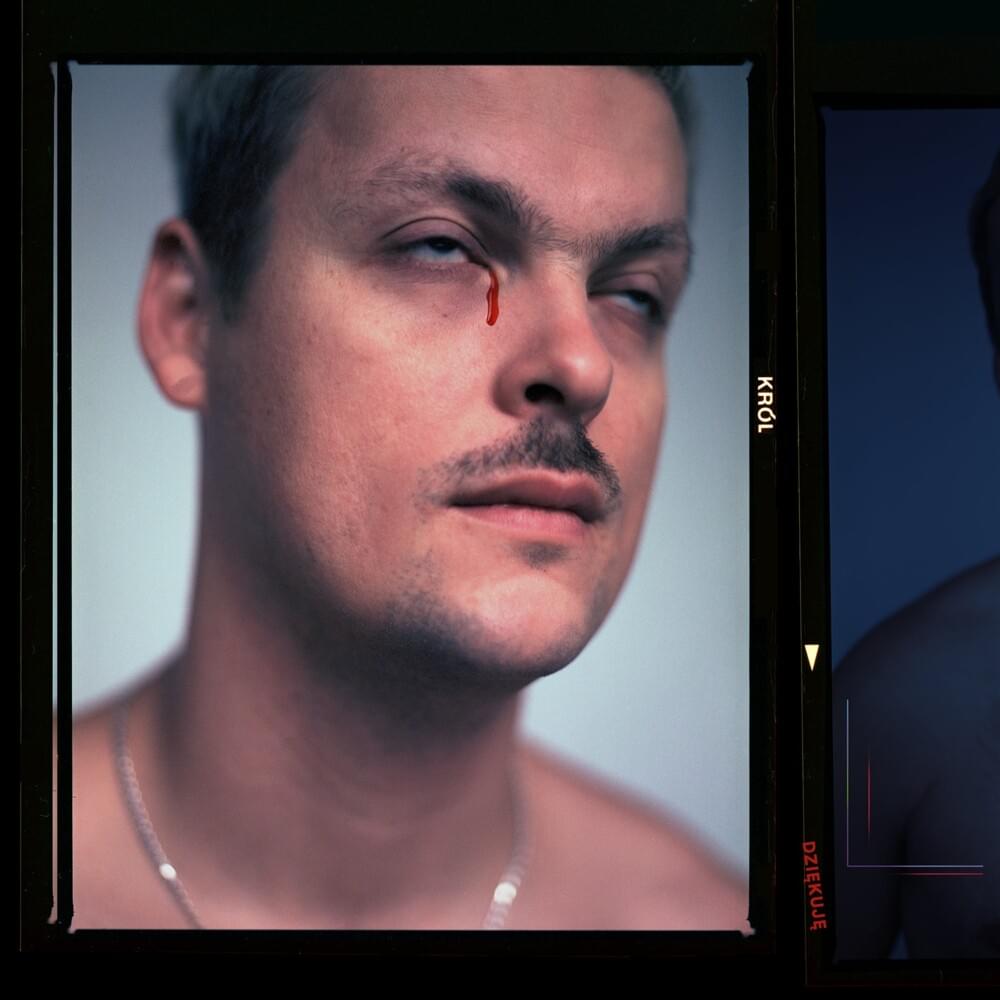
 View Artist