Song Meaning
The lyrics paint a vivid picture of struggle and the urgent need for self-reliance. The repeated plea, "Thusang batho bahluphehang," which translates to "Help the suffering people," sets a tone of widespread hardship. Yet, this call for aid is immediately met with a powerful counter-message: "Mphemphe ya lapisa," meaning "The begging is tiring." This contrast highlights a weariness with dependency, suggesting that while empathy is present, the current state of constant need is unsustainable.
The core tension lies between the desire to alleviate suffering and the recognition that true empowerment comes from within. The proverb "Motho bare okgonwa ke sahae" – "A person is helped by their own efforts" – directly confronts the idea of passive reception. The imagery of a cow that only gets up when it pushes itself, "Kgomo ho tsowa e itsosang," reinforces this, emphasizing that external forces alone are insufficient; personal initiative is key.
The central refrain, "Aye vuka uzenzele," meaning "Arise and do it yourself," is the undeniable thesis. This imperative is amplified by the English section, which directly translates the principle of teaching someone to fish rather than just giving them fish. The lyrics explicitly state, "The giving ones are the blessed ones, Better to give than to receive," shifting the focus from receiving aid to the virtue and fulfillment found in self-sufficiency and mutual support.
Ultimately, these lyrics resonate because they acknowledge hardship while championing agency. The blend of Sesotho, English, and what appears to be Zulu or Xhosa ("Sizani abaselayo," "Ncedani abahluphekayo") creates a rich tapestry of communal experience. The message is clear: collective well-being is built not on perpetual handouts, but on the strength and action of each individual contributing to their own upliftment and that of their community.
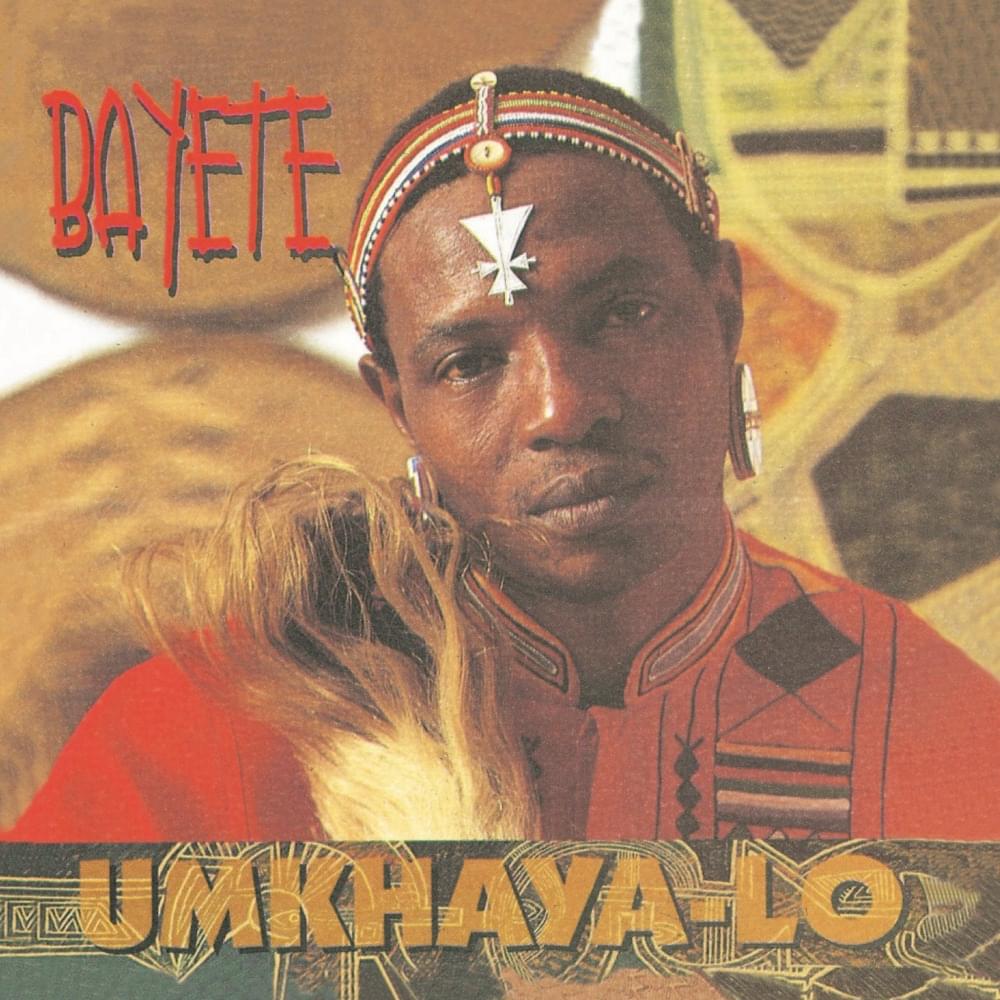
 View Artist