Song Meaning
The lyrics present a stark, almost violent, internal conflict. The narrator claims to desire someone who is outwardly appealing, with a "hopeful smile" and an "inside is on your outside" transparency. Yet, this attraction is immediately undercut by a contradictory impulse: "When I'm with you, I don't wanna be with you." This isn't a simple case of ambivalence; it's a direct, repeated assertion of wanting to escape the very presence being described.
The core tension lies in the narrator's self-destructive desires. They acknowledge the subject's positive qualities – a "good heart and desire to please" – but this only seems to amplify their own internal turmoil, leading to the shocking wish for a "fatal disease." This suggests a profound self-loathing or a desperate need for an extreme escape, where even the perceived perfection of another person becomes unbearable.
The most striking element is the relentless repetition of the central paradox. The phrase "When I'm with you, I don't wanna be with you" acts as a sonic and thematic anchor, hammering home the inescapable nature of this internal war. It's a feedback loop of desire and repulsion, creating a sense of being trapped in a state of perpetual, self-inflicted misery.
This lyrical construction is effective because it bypasses nuanced explanation for raw emotional impact. The directness of the contradictions, coupled with the stark imagery of wanting a "fatal disease," creates an unsettling portrait of someone consumed by their own internal chaos. The listener is left with the visceral feeling of being stuck in an unbearable situation, mirroring the narrator's own predicament.
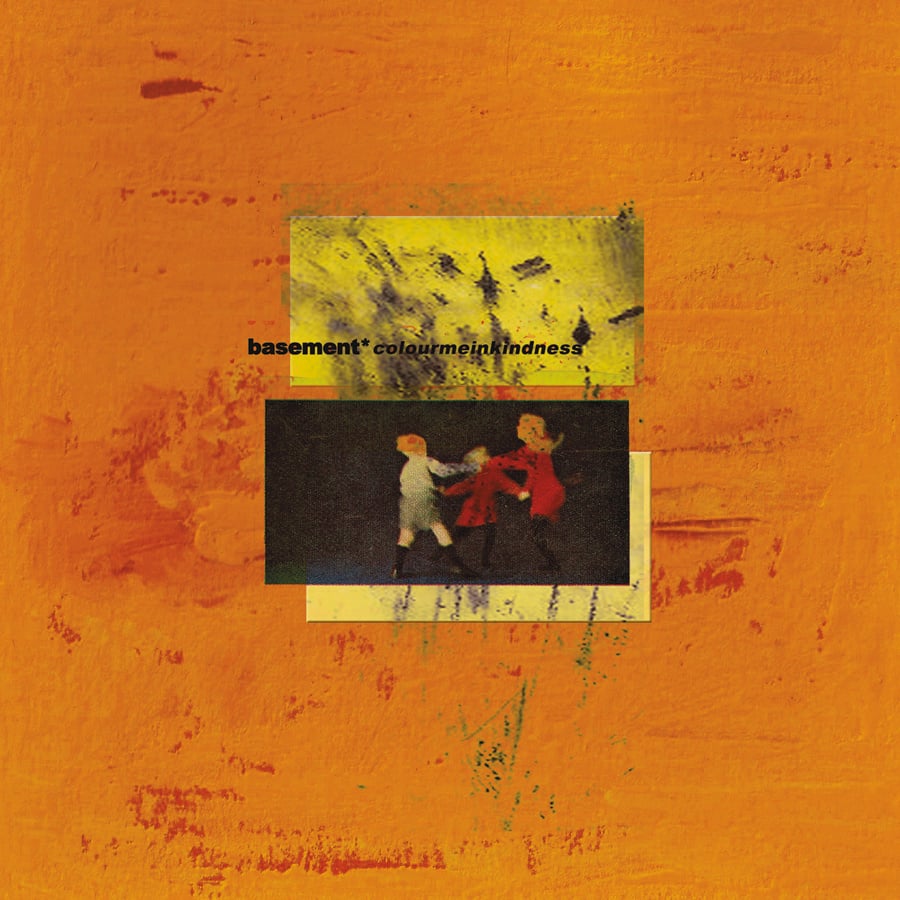
 View Artist