Song Meaning
The narrator feels adrift and insignificant, their name and age holding no weight as they observe distant city lights, a stark contrast to their concern for family back home. This initial sense of displacement quickly pivots to a profound disillusionment with a perceived divine impartiality in conflict.
The core tension arises from the narrator's questioning of where God resides amidst warfare, specifically contrasting the divine favor supposedly bestowed upon "mothers and fathers" and "jet planes" with the plight of "children" in "rubble of war." This highlights a profound moral and spiritual crisis, suggesting that the justifications for violence obscure a deeper, absent divine presence for the innocent.
The lyrics powerfully employ a stark contrast between the powerful and the vulnerable, questioning the narrative that "God's on the side" of those who inflict harm. The final lines, "When they call on their guard / To justify their attacks / Just serves to remind me / The wolf covers its tracks," offer a biting metaphor. This suggests that the pronouncements of righteousness by aggressors are merely a thin veneer, a calculated attempt to obscure their true predatory nature and the devastating consequences of their actions.
This writing resonates because it grounds abstract concepts of faith and war in a deeply personal, almost existential, feeling of being lost and questioning. The shift from personal anonymity to global moral outrage, culminating in the sharp, cynical image of the wolf, creates a potent emotional arc that forces the listener to confront uncomfortable truths about power and perceived divine alignment in conflict.
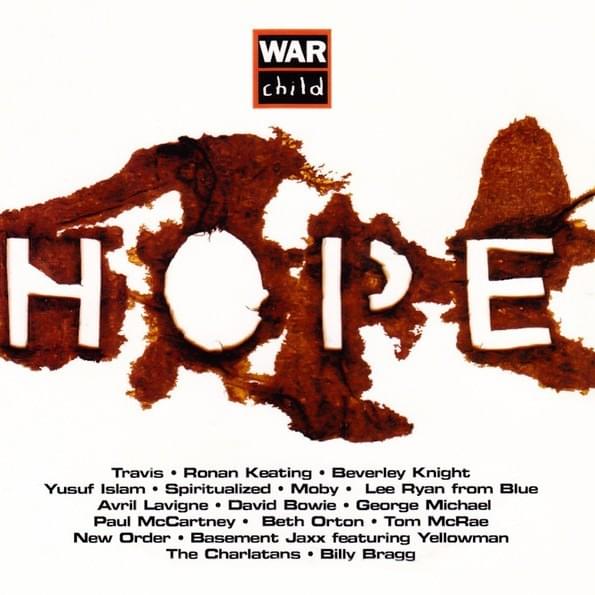
 View Artist