Song Meaning
The lyrics paint a picture of someone observing a loved one's struggle, possibly with addiction or a destructive path. The repeated "Hold the line" acts as a desperate plea, a command to resist whatever is pulling them under. There's a sense of external pressure, "a whole world of people wanna be where you're going," suggesting envy or a dangerous allure to their current situation. The narrator sees the toll it's taking, noticing a specific person, "that child," and wondering about their inner turmoil.
The central tension arises from the narrator's feeling of being wronged: "Again, you've taken something of mine." This isn't just about loss, but a pattern of behavior that feels like an invasion. The desire expressed, "You're reaching for more than my life," implies the other person's actions have far-reaching, damaging consequences that extend beyond themselves. The narrator is witnessing a transformation, lamenting the loss of a positive past self, asking, "What happened to the man with that big ol' smile?"
The most striking element is the shift in perspective and the invocation of family. Initially, the narrator observes a "child" and wonders about their thoughts. Later, the narrator directly addresses the lost self, "He's calling to his mother now," and then, in a pivotal moment, claims, "I'm calling to my mother now." This suggests a shared lineage of struggle or a deep, inherited pain that the narrator now feels compelled to confront, perhaps seeking solace or understanding from their own maternal line.
This writing is effective because it grounds abstract pain in concrete imagery and a sense of personal violation. The contrast between the "big ol' smile" and the present distress is poignant. The repetition of "There goes time" underscores a feeling of inevitability and loss. By the end, the narrator's plea to "hold the line" becomes not just an external command, but an internal one, as they too turn to their mother, indicating a shared, perhaps generational, burden.
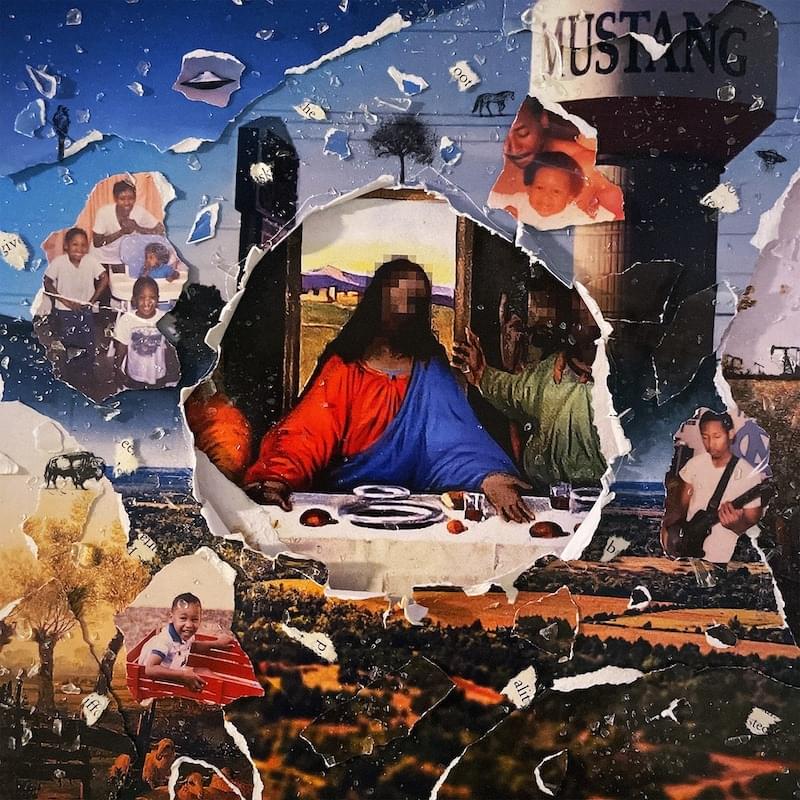
 View Artist