Song Meaning
The lyrics open with a direct, almost incantatory plea: "Nazar eyle, nazar eyle," which translates to "cast your eye" or "look upon me." This is immediately followed by "Gel yanıma, pazar eyle," suggesting "come to my side, make it a market." This creates an immediate sense of longing and a desire for connection, framed as an invitation to a bustling, perhaps transactional, but ultimately communal space.
The second section shifts dramatically, painting a vivid historical tableau. It speaks of a "Great Khan gone on campaign" and a "Wise Hatun" giving birth to nine sons. These sons, by age five, are all armed with swords. This imagery evokes a powerful sense of lineage, martial readiness, and a flourishing, almost mythic, dynasty. It’s a stark contrast to the personal plea in the chorus, moving from intimate desire to grand historical narrative.
The core tension seems to lie in the juxtaposition of these two elements. The repeated, urgent call to "Nazar eyle" and "Gel yanıma, pazar eyle" feels like a personal yearning against the backdrop of epic, almost impersonal, historical events. The narrator is asking for attention, for a presence, amidst a world that seems occupied with grander, more public affairs. The "market" invitation suggests a desire to engage, to be seen and interacted with, perhaps to find value or connection in a public sphere.
This lyrical structure is effective because it grounds an abstract emotional need in concrete, contrasting imagery. The personal plea for a glance and presence is amplified by the epic scale of the historical narrative. The lyrics suggest that even within grand historical moments or dynastic tales, there remains a fundamental human desire to be noticed and to connect on a personal level. The repetition of the chorus hammers home this persistent, underlying need for recognition and companionship.
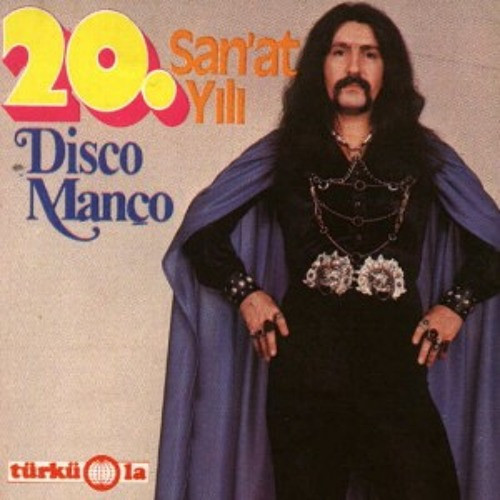
 View Artist