Song Meaning
This song paints a stark picture of impending separation and sorrow, directly addressing a "beloved." The opening plea, "Gülme sakın, gülme ha, gülme" (Don't laugh, please don't laugh), immediately sets a somber tone, suggesting that the news to be delivered is devastating. The narrator feels cursed, stating "Alnıma bir kara yazı yazılmış ki yok ilacı" (A black mark is written on my forehead, there's no cure for it), implying a fate that cannot be altered and will only bring pain.
The lyrics then shift to a melancholic natural landscape mirroring the internal state. The "yağmur ince ığıl ığıl ağlar" (fine rain cries softly) and "Her damlası yüreğimi dağlar" (each drop pierces my heart) create a powerful sense of shared grief between the narrator and the environment. This is amplified by the recurring question, "Seni bana çok görenler neyler?" (What will those who begrudge you to me do?), hinting at external forces or jealous individuals who may have contributed to this separation.
The imagery of "Karlı dağlar, uzun uzun yollar" (snowy mountains, long, long roads) evokes vast distances and arduous journeys, further emphasizing the separation. These natural elements are personified as "pişman, susmuş, ağlar" (regretful, silent, crying), suggesting that even the landscape mourns the impending loss. The repetition of these lines reinforces the overwhelming sense of despair and the inescapable nature of the narrator's sorrow.
Towards the end, a glimmer of hope or perhaps a philosophical acceptance emerges with "Yıllar geçer, güz yaz olur" (Years pass, autumn becomes summer). However, this is immediately followed by the stark reality, "Barış bir gün toprak olur" (Peace will one day become soil), a profound statement about mortality and the eventual end of all things, even peace itself. The final, urgent command, "Sil gözyaşın', durma ha, durma" (Wipe your tears, don't stop, don't stop), is a complex plea. It could be an encouragement to move on, or a desperate attempt to suppress the shared pain, urging the beloved not to dwell in sorrow even as the narrator acknowledges the inevitability of loss and change.
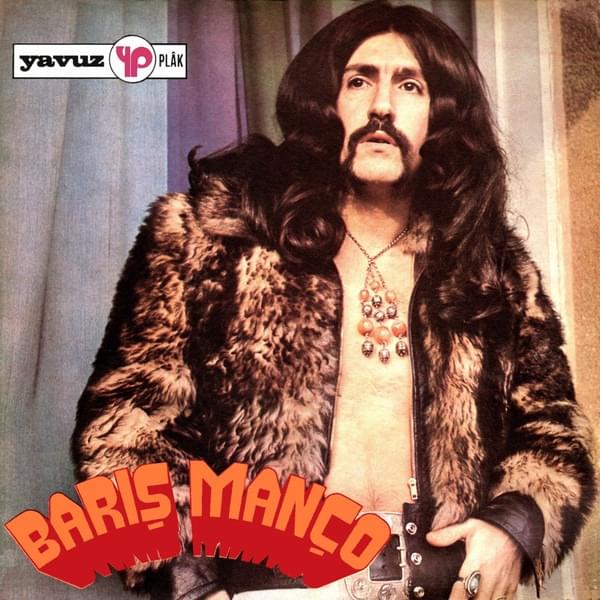
 View Artist